


 Clinical signs and symptoms
THIS INFORMATION IN THIS MODULE IS FUNDED AND CREATED BY BAVARIAN NORDIC AND IT CONTAINS PROMOTIONAL CONTENT ABOUT BAVARIAN NORDIC PRODUCTS.
CLINICAL SIGNS AND SYMPTOMS
Chikungunya disease severity varies, ranging from acute, non-fatal, self-limiting symptoms, to severe neurological manifestations, and to chronic debilitating arthralgias.4,12

CHIKV is symptomatic in most cases (~65-85%)13 with first symptoms typically developing 4-8 days after infection.1 Sudden onset of fever is usually accompanied by severe, often debilitating joint pain, which may last for a few days but could persist for weeks, months or even years.1,14
THE NAME CHIKUNGUNYA IS DERIVED FROM A SWAHILI OR MAKONDE WORD WHICH LITERALLY MEANS “THAT WHICH BENDS UP,” DESCRIBING THE CONTORTED POSTURE OF INFECTED PEOPLE WITH SEVERE JOINT PAIN.5,6
These may include:1,6,14
Joint swelling
Headache
Fatigue
Myalgia
Nausea
Skin rashes
In most cases, a full recovery is made following infection1 and available evidence suggests subsequent immunity from future chikungunya infections is likely.15

40-80% of people experience chronic disease, with clinical symptoms, particularly joint pain, persisting beyond 3 months.4 Risk factors for chronic CHIKV disease include age (>45 years), having underlying osteoarthritis, severity of symptoms during the acute phase and the CHIKV genotype.4,8

All CHIKV infections have the potential to cause chikungunya fever (CHIKF). This may progress into severe disease known as severe acute chikungunya fever (SA-CHIKF), which occasionally causes deaths.12
Severe disease is mainly observed in groups at increased risk.
Include:1,8,9,12
Newborns
Young children
Older adults
Those with co-morbidities (e.g. diabetes, cardiovascular disease, respiratory disorders or kidney failure)
Immunosuppressed patients.
Neurological symptoms are most likely to develop in those at either end of the age spectrum.4
Severe disease requires hospitalisation due to the risk of organ damage and death.1

Chikungunya can have a significant negative impact on quality of life; 57% of those infected still affected 2.5 years after onset of the disease.16 The disease has a social, physical and mental impact and can lead to loss of productivity.17
These may include:16,17
-
Prominent ongoing rheumatic symptoms
− Arthralgia in the upper extremities
− Weakness in the upper and lower extremities
− Myalgia
-
Non-rheumatic or psychological symptoms
− Headache
− Fatigue
− Insomnia
− Sombreness
− Loss of vitality
− Depressive mood.
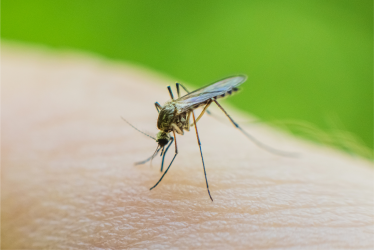
CHIKV infection during pregnancy can also cause complications, delayed neurological development and even pregnancy termination.12
Although there are only rare cases of severe disease in pregnant women, numerous publications report increased risk of disease in the neonate, if the pregnant woman is infected close to delivery.18,19,20 These risks stem from potential intrapartum virus transmission during delivery to infected mothers.1,20

Content developed by Bavarian Nordic UK working with CIG Healthcare Partnership.
© 2026 CIG Healthcare Partnership
UK-VIM-2600013 | September 2026