



 3 Min
3 Min In Analysis

Follow this topic

Bookmark

Record learning outcomes
Women experience more types of pain than men – and usually more frequently and more severely. In fact, an estimated one in six women experience severe pain every day. However, according to Nurofen’s latest Gender Pain Gap Index Report, women in the UK are struggling to have their pain taken seriously by healthcare professionals, and one in two feel they have had their pain ignored or dismissed because of their gender.
The ‘gender pain gap’ refers to a gap in pain management – that pain in women is more poorly understood and more mistreated than pain in men due to systemic gaps and biases. Since 2022, Nurofen has tracked whether this gender gap exists, as well as the impact it may have on women and their health journeys. Working alongside charities and organisations, Nurofen is advocating for gender equality in healthcare, including for all pain-related conditions.
Not only does this involve training healthcare professionals to understand gender bias in pain management, but it also involves helping women to advocate for themselves.
One of the most important ways to resolve this gender pain gap is to ensure that patient-healthcare professional interactions are enabling women to get a diagnosis for their pain and access suitable treatments. At a time when unregulated health information is more accessible than ever before, it is essential that women are able to access trusted health guidance when they need it most.
Experiences
Women are more likely than men to experience ‘everyday’ pain such as headaches and muscular pain, as well as chronic pain conditions such migraine, tension headache, fibromyalgia, irritable bowel syndrome and rheumatoid arthritis. They are also generally more sensitive to pain from external sources, such as heat, cold and pressure. This is due to a combination of biological, hormonal and psychosocial factors.
Earlier this year, the Government stated in its renewed Women’s Health Strategy that a “male as default” approach exists in research and clinical trials. This means that less is known about pain conditions that predominantly affect women and about how conditions affect men and women differently, leading to delays in women’s diagnosis, increased misdiagnosis and inadequate treatment. Research shows that women are more likely than men to be prescribed weaker forms of pain relief for pain-related conditions, or antidepressants instead of suitable pain relief.
“Women’s pain has historically been under-studied and there is a continued gap in wider social equality, and gender biases within medical treatment and care,” says
Dr Bill Laughey from Nurofen manufacturer Reckitt. “In practice, this translates into measurable differences in how pain is treated day-to-day.
“Nurofen’s latest Gender Pain Gap Index Report shows 53 per cent of women say their pain has been ignored or dismissed, compared with 48 per cent of men, and that gap has persisted across all four years we’ve been tracking it. It also shows up in diagnostic delays as 17 per cent of women wait more than a year for a diagnosis, compared with 10 per cent of men. The data gives us a clear, consistent pattern to point to, with real consequences for individual women.”
“Women in the UK are struggling to have their pain taken seriously by healthcare professionals”
Impact
Living with pain without receiving proper medical attention has a major impact on women’s lives. More than 40 per cent of women surveyed for the Nurofen Gender Pain Gap Index Report stated that pain causes them trouble sleeping and 39 per cent said it leaves them less able to exercise. Most worryingly, almost a quarter of women said that pain has led to them feeling depressed; less than a fifth of men report this.
Younger women seem to be most affected by the gender pain gap bias. In the Nurofen report, 73 per cent of women aged 18 to 24 felt their pain was ignored or dismissed, compared with 40 per cent of those over 55. Race also influences experiences of dismissal. Seventy-four per cent of black women and 65 per cent of Asian women felt their pain was ignored or dismissed, compared with 51 per cent of white women.
Women report feeling dismissed by multiple healthcare professionals too – including GPs, specialist consultants and pharmacists. One in five women who felt dismissed went on to seek help from alternative healthcare professionals such as osteopaths or nutritionists. Three in four women who experienced dismissal by healthcare professionals used alternative information sources such as websites, social media and AI tools like ChatGPT.
While some online resources – such as the NHS website and charity websites – provide evidence-based information, much of what women find online, especially on Instagram and TikTok, is unregulated and unverified. The Nurofen research found that more than 90 per cent of women act on pain advice from online or digital sources, which means they may be making important health decisions based on inaccurate information. Others give up seeking help entirely, managing pain alone without guidance or support, even when their symptoms worsen.
“The consequences go well beyond the initial consultation,” says Dr Laughey. “Of women who felt dismissed, 94 per cent said it had a negative impact on them, nearly half (46 per cent) became reluctant to seek medical help again, and over a third (35 per cent) said it impacted their trust in the medical system. What’s also worth noting clinically is what happens next. Three in four dismissed women went looking for answers elsewhere, with one in five turning to AI tools for health information, an area with documented accuracy concerns.”

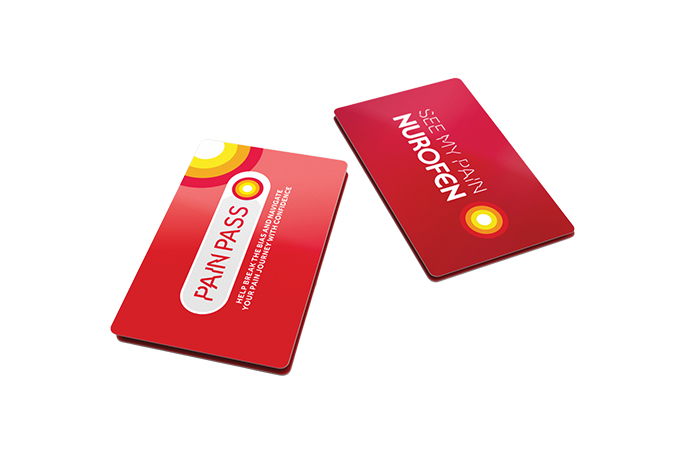
Finding the right words The Nurofen Pain Pass was co-created in 2023 with the help of healthcare professionals and women living with chronic pain. This free tool is intended to help women track their pain, record their symptoms and learn what to do when facing gender bias. Using the tool means that women can then have a constructive conversation about their pain with their healthcare professional.
“The goal was a simple, structured tool that helps women capture the frequency, severity and impact of their pain before they walk into a consultation,” explains Dr Laughey. “This gives them clear, consistent information to work from instead of trying to describe a complex, ongoing experience from memory under time pressure. From a clinical perspective, it’s harder to dismiss pain that’s been clearly documented, and it gives the clinician or pharmacist a much clearer starting point.”
The Pain Pass helps women find the right words to describe their pain, using specific key words, and uses structured prompts so they can describe how often and how much their pain affects their life. Women can also use the Pain Pass calendar to track which days they have been in pain and how severe the pain was: mild, moderate or severe.
“Words we use to describe pain matter because finding a common language with your doctor helps them make more informed decisions that in turn lead to diagnosis and treatment,” says Dr Laughey. “Nurofen’s Pain Pass was built on that principle – the tool acts as a pain translator, helping women articulate what they’re experiencing. For pharmacy teams, it gives a consistent framework to work from, which is particularly valuable in a busy, customer-facing environment where staff are having many different conversations throughout the day.”
When facing the gender pain gap bias, women should remember the Pain PASS acronym.
- Pause the conversation if they don’t feel like they’re being heard: “Can we pause here, and discuss this in a bit more detail together?”
- Ask healthcare professionals questions for clarity, such as how they came to their diagnosis and what their treatment plan is
- Speak up with confidence if they feel their concerns have been ignored or dismissed
- Seek a second opinion if they still don’t feel that their healthcare professional fully understands their situation.
The Pain Pass has already been downloaded and distributed more than 100,000 times, demonstrating patient need, and is now available in Boots stores nationwide, as well as online. Throughout 2026, Nurofen will be distributing the Pain Pass to more physical locations, allowing more patients to be supported, and to help healthcare professionals use it to enable productive conversations and positive health outcomes.
Joining the dots
Community pharmacy is often the most accessible healthcare setting, so it’s important that pharmacy staff can recognise pain dismissal and know how to deal with gender bias. Nurofen is setting out to train more than 10,000 Boots pharmacists on gender pain dismissal through a “See My Pain” training module delivered via Boots’ internal digital learning platform. The brand has also expanded distribution of its free Pain Pass tool in-store and online. The training module used alongside the Pain Pass tool can help to keep women connected to evidence-based healthcare, Nurofen believes.
Nurofen’s approach fits in with well the NHS 10-year plan, which aims to deliver healthcare closer to where people already live and work. By equipping pharmacy staff with the training and tools to facilitate better patient conversations, it extends access to trusted healthcare guidance in the community at a time when unregulated health information has never been more prevalent.
“Women have always been able to visit their local Boots pharmacy as a first port of call for access to advice, support and treatment where needed,” says Boots pharmacist Sanjay Nathwani. “The supplementary Nurofen training further supports pharmacy teams to help women navigate their own personal experiences at any stage of life. We can be there at a time that’s convenient, right on the high street and without the need for an appointment.”
Pharmacy staff are often a customer’s first, and maybe even most regular, healthcare contact in the community. They can offer the Pain Pass to customers and discuss gender bias if they notice women are regularly coming into the pharmacy for OTC pain medicines or seeking advice about pain-related conditions.
“The training and the tool are designed to work together,” says Dr Bill Laughey from Nurofen manufacturer Reckitt. “They help pharmacy staff make sure a customer’s pain is taken seriously, and may prompt a pharmacist to appropriately recommend a patient sees their GP.”

Share:


In Analysis