



 7 Min
In OTC

Follow this topic

Bookmark

Record learning outcomes
Advancements in menopause care continue on a slow but upward trajectory. The 2025 Employment Rights Act introduced ‘Menopause Action Plans’, encouraging employers to prepare plans for their workplaces this year, before they become mandatory in spring 2027. However, this only applies to businesses with more than 250 employees.
Smaller businesses are governed by the Equality Act 2010, which protects people from discrimination, harassment and victimisation in the workplace and wider society across England, Scotland, and Wales. When menopause symptoms are severe enough to classify as a disability, employers of all sizes must make reasonable adjustments by law.
Approaches to treatment are also changing for the better, with a greater focus on holistic personal plans. “The biggest change in menopause care has been the move away from a one-size-fits-all approach,” says Dr Eloise Elphinstone from the British Menopause Society and Menopause Care. “We are much more focused now on individualising treatment according to a woman’s symptoms, medical history, risk factors and preference. There is also a much greater recognition that menopause is not simply about treating hot flushes. We need to think about cardiovascular health, bone health, mental health, sexual health and genitourinary symptoms as part of a woman’s overall health.”
With 96 per cent of women reporting that menopause affects their quality of life, according to the Mega Menopause Survey 2025 carried out by campaign group Menopause Mandate, there is lots that pharmacy teams can do to support their customers.
Getting to grips
The menopause usually happens at around the age of 45 to 55, although it can occur earlier. It is essentially when menstruation comes to an end. Below is some key terminology:
Premature menopause: menopause symptoms before the age of 40 (this may be triggered by cancer treatment or having both ovaries removed)
Early menopause: menopause symptoms before the age of 45
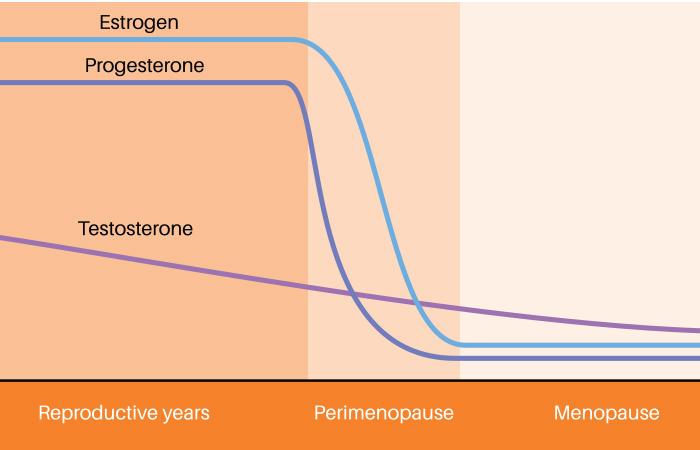
Perimenopause: the time leading up to the menopause. Levels of oestrogen, progesterone and testosterone hormones begin to fluctuate. “It can last for several years and symptoms can start before there are any obvious changes to the menstrual cycle,” explains Dr Elphinstone. “Periods may become shorter, longer, heavier or more irregular, but this is not always the first thing a woman notices. Symptoms such as anxiety, poor sleep, brain fog, headaches, hot flushes, joint aches and changes in libido can all occur during perimenopause”
Menopause: is when menstruation stops completely. Hormones continue to fluctuate before declining and remaining low. “Menopause itself is actually a point in time rather than a period of time,” adds Dr Elphinstone. “In a woman who is not using hormonal contraception, it is diagnosed retrospectively after 12 months without a period”
Post-menopause: occurs a year after the menopause, this is when periods have completely stopped. Symptoms may continue.
It is important that pharmacy teams understand that the menopause occurs differently for everyone and there is no definitive menopause ‘test’. “For women aged 45 and over, we can usually diagnose perimenopause and menopause from symptoms and menstrual history. We do not routinely need hormone blood tests, as these can be difficult to interpret and can look normal even when symptoms have started,” explains Dr Elphinestone.
Protecting bone health
Hormonal changes caused by the menopause can have unseen impacts, especially when it comes to bone health. “This is because the oestrogen hormone that’s important for keeping bone density stable and maintaining bone strength decreases around the menopause,” explains Kirsty Carne, helpline manager and specialist osteoporosis nurse at The Royal Osteoporosis Society (ROS). “As a result, bone density starts to go down too. With this loss of bone density comes reduced bone strength and a greater risk of breaking bones.”
Conditions such as osteoporosis can arise, which is when bones become less dense, brittle and susceptible to breaks. When it comes to protecting bone health, there is lots that women can do prior to and during the menopause, starting with diet and exercise.
“Planning for and acting on bone health at the menopause can help set a positive pattern for years to come,” says Kirsty. Eating a healthy, balanced diet with a wide range of foods that provide bones with the nutrients they need is important, as is regular impact and muscle-strengthening exercise, which can help to keep bones strong and improve balance.
Hormone replacement therapy (HRT) can also play a role in protecting bone health (see page 26). Calcium supplements might be suggested by a GP. However, most people are thought to consume the 700mg recommended daily intake of calcium through their diet.
Unfortunately, conditions like osteoporosis don’t have early warning signs, meaning many people don’t realise their bone health has suffered until a break. “If someone breaks a bone easily, particularly after a minor fall or injury, they should speak to their doctor,” says Kirsty. “This is especially important if they have experienced menopause.”
Visit the Royal Osteoporosis Society at theros.org.uk for more information.
Understanding symptoms
Unfortunately, around 85 per cent of women experience health impacts, according to Menopause Care, with symptoms lasting for an average of seven years. Pharmacy teams are in a good position to open up conversations about menopause with their customers to help them start managing any issues as soon as possible.
“I think it is really important to recognise that perimenopause and menopause are about much more than hot flushes, although for some this can be a really debilitating symptom,” says Dr Elphinstone. “Some of the symptoms that women find most difficult are actually the ones that are less obviously associated with menopause.”
These might include:
Brain fog
Nearly one in four people (24 per cent) report brain fog as their first symptom of perimenopause, according to the Mega Menopause Survey, with 86 per cent of the 15,000 women surveyed reporting brain fog during the menopause. ‘Brain fog’ refers to an affected ability to concentrate and memory loss. “Women describe struggling to find words, forgetting things, being unable to concentrate or feeling that they are not as mentally sharp as they used to be. Poor sleep, stress and anxiety can make this worse,” explains Dr Elphinstone. “This can have a huge impact on women – for some, leading to leaving their jobs.”
Hormone replacement therapy (HRT) can help ease brain fog in some cases, and lifestyle advice includes eating a well-balanced healthy diet, taking regular exercise, getting enough sleep and managing stress where possible.
Anxiety
Anxiety may occur for some women, whether they have experienced it before or not. “Anxiety can be particularly difficult during perimenopause,” explains Dr Elphinstone. “Some women who have never experienced anxiety before suddenly find themselves feeling anxious, overwhelmed or even experiencing panic symptoms. There can be a hormonal component, but disrupted sleep and the stresses of midlife can also play a part.” Again, exercise and getting enough sleep, stress management and relaxation techniques can help to ease anxiety, as can avoiding caffeine and drinking alcohol. “Menopause-specific cognitive behavioural therapy (CBT) can also be useful, and HRT may help where symptoms are related to the menopause,” adds Dr Elphinstone.
“Planning for and acting on bone health at the menopause can help set a positive pattern for years to come”
Sleep
Sleep issues are common during menopause, with 70 per cent of women in the Mega Menopause Survey reporting being affected by fatigue. Symptoms such as night sweats can lead to sleep loss, which can then perpetuate issues such as anxiety and can be a difficult cycle to break out of. “Regular exercise, keeping the bedroom cool, reducing caffeine and alcohol and maintaining a regular sleep routine can help,” advises Dr Elphinstone. “CBT can also be particularly useful for ongoing insomnia, and HRT may help where sleep problems are related to other menopause symptoms.”
Sexual health and libido
Low libido is thought to affect up to 55 per cent of menopausal women, with 35 per cent experiencing poor lubrication and 45 per cent experiencing painful intercourse, according to Menopause Care.
“Low libido is often more complicated than simply being caused by low oestrogen or low testosterone. Vaginal dryness or painful sex, poor sleep, anxiety, relationship difficulties and some medications can all contribute,” says Dr Elphinstone. “Vaginal symptoms can also play a significant role in low libido and can have a major impact on quality of life. Women may notice dryness, itching, burning, discomfort or pain during sex, as well as urinary symptoms such as urgency, frequency or recurrent urinary tract infections (UTIs).” Pharmacy teams can recommend OTC vaginal moisturisers and lubricants to ease dryness. Other treatment options include low-dose vaginal oestrogen, which can relieve dryness and other genitourinary symptoms caused by the menopause. Women experiencing repeated UTIs should be referred to their GP.

Skin, hair and eyes
Lots of women experience dry, uncomfortable eyes during perimenopause and menopause, as hormonal changes affect the eye’s naturally lubricating tear film. Eye symptoms such as dryness and grittiness can be eased with OTC lubricating eye drops or artificial tears.
Changes to hair and skin may also be experienced, with many women finding their hair becomes thinner and their skin feels dry or sensitive. For some, acne and rosacea may be a problem they need help with.
“Menopause is not simply about treating hot flushes”
Market Monitor: Product update from Training Matters
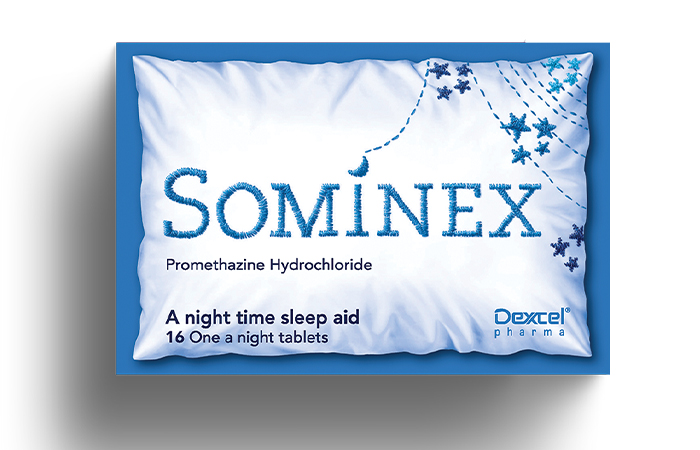
Sleep can be problematic during and after the menopause. Sominex tablets are a night-time sleep aid designed to relieve occasional sleeplessness, such as difficulty getting to sleep or staying asleep following a change to normal routine. Sominex contains promethazine hydrochloride, an antihistamine with a sedative effect that can make users feel sleepy. One tablet can be taken at bedtime, or up to one hour after going to bed when sleep is difficult to achieve. Sominex should not to be used for longer than seven days without medical advice.
For further information, contact Dexcel Pharma: 02475 200300
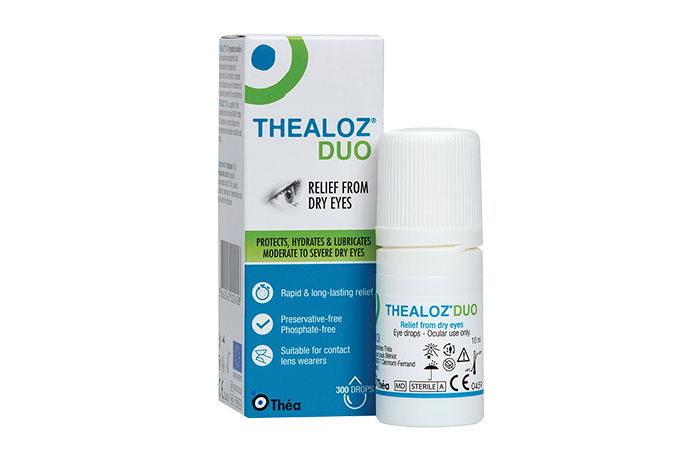
Dry eye symptoms often increase around the menopause transition, with dryness, grittiness and fluctuating vision being experienced by many women. Thealoz Duo combines trehalose and hyaluronate to hydrate, protect and lubricate the ocular surface for lasting comfort. It’s preservative free, suitable for use with contact lenses, and offers up to six months’ sterility after opening. It can be recommended in the pharmacy to help customers maintain comfortable eyes through midlife changes and daily environmental demands.
For training and point of sale support, contact Théa: 0345 521 1290.
“We need to give women choice and make sure they understand all the options”
Q&A: HRT
The fluctuating and final reduction in levels of oestrogen, progesterone and testosterone throughout the menopause cause the symptoms mentioned in this feature and more. Hormone replacement therapy (HRT) is commonly used to manage symptoms by balancing out hormones.
However, with each person experiencing the menopause differently and there being a wide variety of HRT products available, finding the right treatment may seem overwhelming. This is where the pharmacy team can step in with reassurance and answers to some common questions customers might have, such as:
How do I choose between HRT patches, gels, tablets and sprays?
This may involve trial and error to help each customer find the best fit for them. “There is not a single HRT preparation that is right for everyone,” says Dr Eloise Elphinstone, British Menopause Society accredited menopause specialist at Menopause Care. “I would consider the woman’s symptoms, her medical history
and, importantly, what she feels comfortable using or is most practical.”
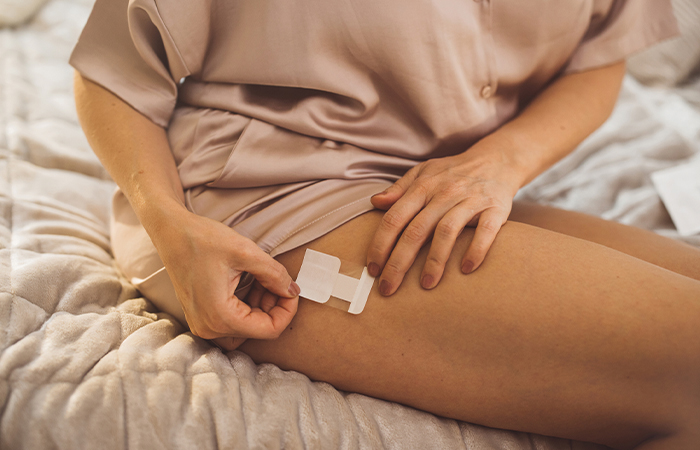
While tablets are a convenient option, patches “are useful for women who do not want to remember medication every day, as depending on the preparation they are changed once or twice a week. They give very stable oestrogen dosing and can be a good option for women with migraines”, explains Dr Elphinstone.
For those who prefer not to wear a patch, gels and sprays applied daily are another option – the dosage is also much easier to adjust in this format. “One of the main clinical considerations is whether oestrogen is given orally or transdermally. Transdermal (through the skin) oestrogen is generally preferred for women who have an increased risk of blood clots because it is not thought to increase the risk of venous thromboembolism in the same way as oral oestrogen,” says Dr Elphinstone.
Can I take HRT during the perimenopause?
Yes – especially if symptoms are manifesting. “There is absolutely no need to wait until periods have stopped. If a woman is having troublesome symptoms during perimenopause, HRT can be started, provided there are no contraindications,” explains Dr Elphinstone. “The type of HRT will depend on whether she still has periods and whether she has a uterus. If she has a uterus, systemic oestrogen needs to be combined with a progestogen to protect the endometrium.” This is referred to as combined HRT. “A woman who has had a total hysterectomy will generally be able to use oestrogen-only HRT, unless she has a history of endometriosis,” she adds.
Is HRT safe for me to use?
Unfortunately, HRT isn’t a viable option for everyone, and pharmacy teams should have an awareness of who it is unsuitable for and be familiar with alternative treatments. “This includes women with some hormone-dependent cancers, unexplained vaginal bleeding, significant liver disease and certain blood clotting or cardiovascular conditions,” says Dr Elphinstone.
Non-hormonal options continue to grow and pharmacy teams can reassure those unable to take HRT that there are options. These may include antidepressants to manage low mood, depression and anxiety, fezolinetant for moderate to severe hot flushes and night sweats, or menopause-specific cognitive behavioural therapy (CBT).
“I think this is an important part of the conversation around menopause care,” says Dr Elphinstone. “We need to give women choice and make sure they understand all the options available to them.”
Does HRT have side effects?
When someone first begins HRT, side effects are common but do not always mean that the treatment should be stopped. “Bleeding, breast tenderness, bloating, headaches, nausea and mood changes can occur, particularly during the first few months. Often these settle as the body adjusts, but if they don’t, there are usually other options to try,” says Dr Elphinstone. “Sometimes simply tweaking the regime can make a big difference. This might mean reducing or increasing the oestrogen dose, changing the type or route of oestrogen, or changing the type or way the progesterone is given.”
Bleeding can be one concern and this should be monitored. “Some irregular bleeding is expected when starting HRT, particularly in the first few months or after changing treatment. However, heavy, persistent or unexpected bleeding should always be discussed with a healthcare professional so that other causes can be excluded,” says Dr Elphinstone.
When should I stop taking HRT and what will happen?
Before stopping HRT, women should consult their GP or menopause specialist as symptoms may return. There can also be withdrawal symptoms, but it depends greatly on the individual. “There is no set time limit for HRT,” says Dr Elphinstone. “I tend to look at how a woman is feeling and once symptoms have been well controlled for a while, consider gradually reducing the dose. If symptoms return, we can increase it again and try reducing at another time. It is an individual decision rather than an arbitrary five year cut-off.”

Share:


In OTC