


 3 Min
In OTC

Follow this topic

Bookmark

Record learning outcomes
Scenario
Customer Alina is talking to pharmacy technician Vicky about a prescription she has brought in for her seven-year-old son David.
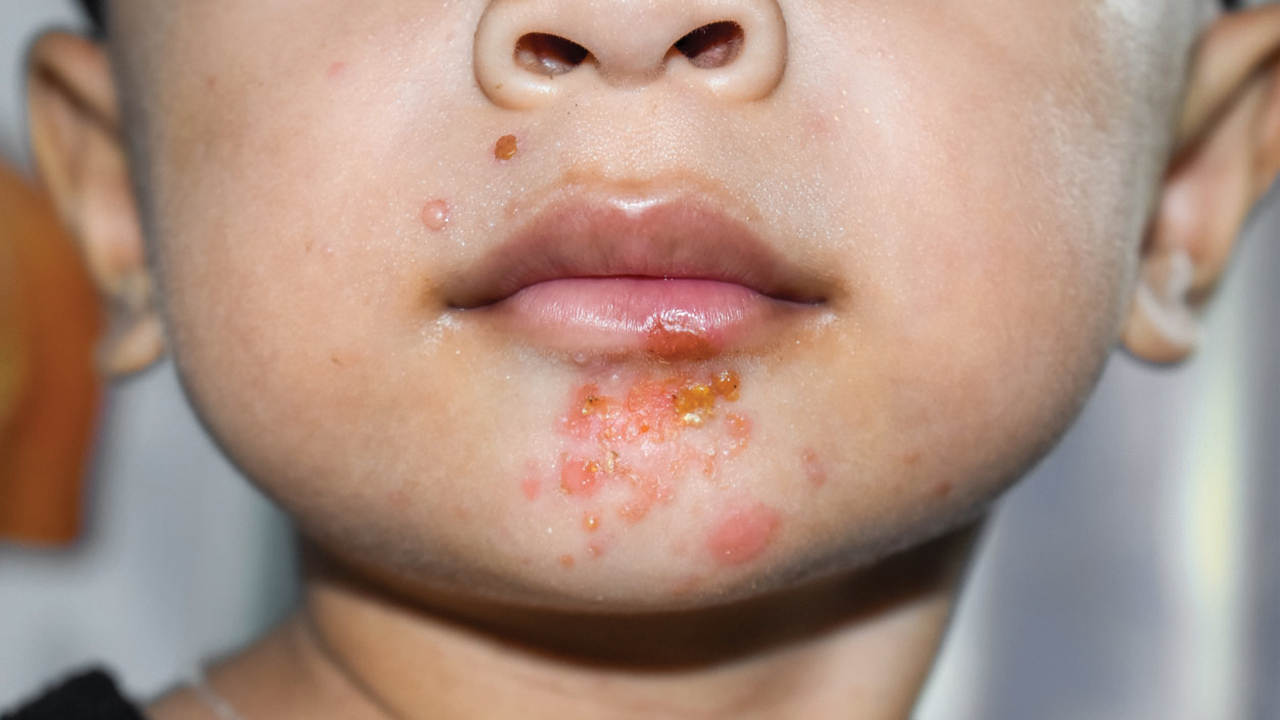
“I was sure it was impetigo and the doctor agreed,” says Alina. “It’s exactly the same as David had when he was little, and I remember my older son Daniel had it when he was at primary school as well. But now that I’m looking at the prescription, I can see that it’s for a completely different product. Do you think the doctor made a mistake? I mean, phone appointments are all well and good, but I think something has definitely gone wrong. We’ve always been given fusidic acid cream in the past, which has worked very well, and yet this time the prescription says hydrogen peroxide. I’m not sure what that is.”
Answer
No mistake has been made – it is simply that practice altered a few years ago, after Alina’s sons were initially prescribed a treatment for impetigo.
With evidence pointing towards the topical antiseptic hydrogen peroxide 1% cream being as effective as topical antibiotics like fusidic acid for the localised non-bullous form of impetigo (the more common and contagious form), and with minimal risk of adverse effects, it was recommended that prescribers switch to this as first-line treatment.
Hydrogen peroxide 1% cream should be applied two or three times a day for five days. It should be accompanied by hygiene measures such as washing the affected area with soap and water; washing hands regularly, particularly after touching the impetigo; avoiding scratching affected areas; avoiding sharing towels, face cloths and other personal care products, and cleaning potentially contaminated toys and play equipment thoroughly. These steps should help to reduce the spread of impetigo to other areas of the body and to other people.
If David’s symptoms don’t improve, or indeed worsen rapidly or significantly at any point, Alina should contact her doctor again.
Topical fusidic acid does still have a place in impetigo therapy, but it is reserved for cases where hydrogen peroxide has not worked or is unsuitable – for example, if there are lesions around the eyes.
- Remember: customers exhibiting symptoms of impetigo can be referred to the Pharmacy First service if they fit the eligibility criteria (see ‘Extend your learning’ below).
The bigger picture
When they first emerged, antimicrobial drugs like antibiotics were heralded as a revolution in healthcare, and quite rightly: many infections that would otherwise have killed people became curable. However, they are often now used inappropriately. For example, antibiotics are often prescribed for viral conditions when they are only effective for bacterial infections. They are also used for infections that would often clear up without intervention, putting the user at unnecessary risk of side effects. The more antimicrobial drugs are used for trivial conditions, the more likely it is that they won’t be effective when they are needed for more serious infections.
Antibiotic resistance has also led to the emergence of superbugs. These are bacterial strains that don’t respond to many different types of antibacterial agents. To combat this, antimicrobial stewardship is being promoted. This is all about raising awareness of the need for both patients and prescribers to use antimicrobials appropriately in order to protect the health of current and future generations. Everyone working in healthcare has a vital role to play in explaining to patients that antibiotics are not always required.
Extend your learning
- Visit: nhs.uk/conditions/impetigo
- Complete our Pharmacy First impetigo module: tmmagazine.co.uk/learning/pharmacy-first-impetigo
- Learn more from the British Skin Foundation: britishskinfoundation.org.uk/conditions/impetigo

Share:


In OTC