


3. Constipation
Training Matters,
18 May 2020 2 Min

Training Matters,
18 May 20202 Min
Training Matters,
18 May 20202 Min


Like adults, babies and infants are all different in terms of how often they normally pass stools. For some, it will be a few times a day, whereas others will only go a few times a week. Parents may ask for advice if their baby has not passed stools as often as normal.
Common symptoms of constipation include:
Accompanying symptoms may include being irritable and unhappy, loss of appetite, tiredness, excessive flatulence, foul smelling wind and stools, and abdominal discomfort and pain. These symptoms may disappear after a bowel movement.
Constipation is common among babies and infants. The cause of the problem can vary, and may include:
 Top tip for easing constipation
The best way to avoid constipation is to make sure that an infant eats plenty of fibre. Fruit, which can be chopped or puréed depending on the baby’s ability to chew, is a suitable option. The best fruits for managing constipation are apples, apricots, grapes, peaches, pears, plums, prunes, raspberries and strawberries.
If a baby has constipation and has not yet been weaned onto solid foods, the first course of action is to give them cooled, boiled water between their normal milk feeds. Advise parents to continue making up formula milk as usual – it should never be diluted or over-concentrated.
You can also suggest that parents gently massage their baby’s abdomen or move their legs in a clockwise, ‘cycling’ action to help stimulate their bowels.
For babies who have already been weaned, parents can be advised to give their baby plenty of water to drink and include more fruit and vegetables in their diet. Fruits that can be good for managing constipation include apples, apricots, grapes, raspberries and strawberries. A small amount of diluted fruit juice can also be given to infants over 12 months of age.
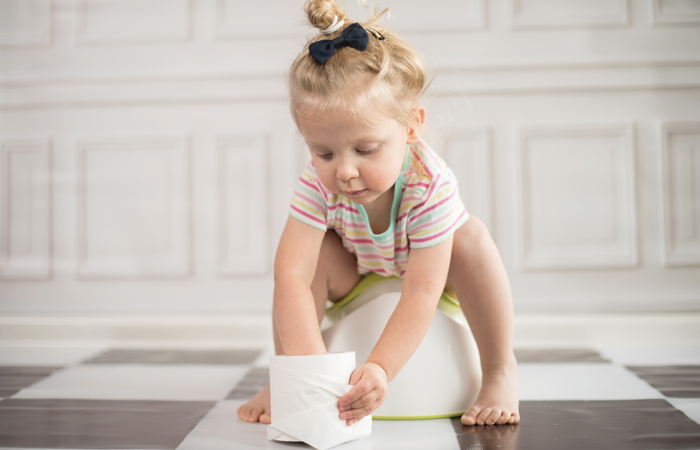
Toddlers who experience constipation should be given frequent meals and should try to stay active as much as possible. Parents should also encourage good toilet habits in order to teach the child to go when they feel they need to.
If the problem hasn’t improved after trying any of the above suggestions, you should refer parents to the pharmacist or a GP, as the child may need treatment in the form of an osmotic or stimulant laxative (e.g. lactulose or senna).
Toddlers who experience constipation should be given frequent meals and should try to stay active as much as possible
 Clinical summary
Early diagnosis and management of constipation is important in order to prevent it causing complications, such as a painful anal fissure or the condition becoming chronic. Additional obstacles exist in the form of conflicting information that many people receive, which can impact the effectiveness of treatments and lead to a great deal of frustration.
In its clinical guidance on the topic, NICE states that a full assessment should be conducted before constipation is diagnosed. Underlying causes and red flag symptoms, such as abdominal distension with vomiting, which could indicate intestinal obstruction, should be excluded at this time.
First-line treatment for impaction is with an oral macrogol (polyethylene glycol 3350 plus electrolytes). If this product isn’t tolerated, a stimulant laxative (sodium picosulfate, senna or docusate sodium) may be given either on its own or with the osmotic laxative lactulose. All infants should be reviewed within a week, and rectal medication is only recommended if oral treatments fail.
If the infant doesn’t have faecal impaction, or once it has been relieved, maintenance therapy should be started under the advice of a doctor.
First-line treatment is with a macrogol, the dose adjusted according to symptoms and response. A stimulant agent may be added or substituted if the macrogol does not work or is not tolerated. The regimen should be followed for several weeks after regular bowel habits are restored, which may take several months.
Frequent reassessments should be conducted, ideally by the same healthcare professional, in order to ensure that re-impaction has not occurred and to provide advice on any other issues. Medication should not be stopped abruptly, but instead gradually reduced over a period of months while keeping an eye on stool consistency and frequency. Therapy may be required for several years or on an ongoing basis, depending on the individual.
Information on diet and lifestyle interventions should be provided to parents, but these are not considered first-line treatments on their own.


