


1. The weaning process
Training Matters,
15 May 2020 2 Min

Training Matters,
15 May 20202 Min
Training Matters,
15 May 20202 Min


 Learning objectives
After reading this section, you will have a better understanding of:
• How to start the weaning process with puréed foods
• The process of baby-led weaning
• A€ˆhealthy diet for an infant
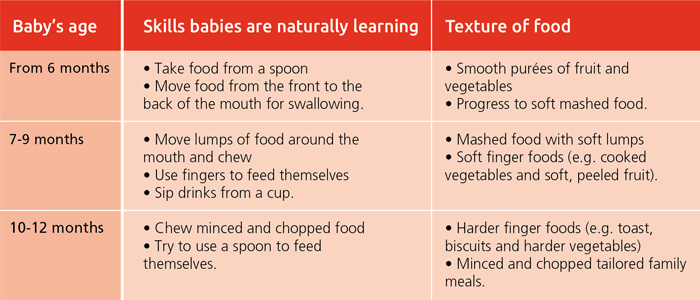
• The stages of weaning
• How to help fussy eaters.
As babies grow and develop, solid food becomes an important part of their diet. This process of introducing food is called weaning. The Department of Health and Social Care recommends that babies start weaning at six months. While all babies are different and some may be ready to wean earlier than six months of age, parents should not begin the process before 17 weeks because babies’ kidneys and digestive systems, along with their motor skills, are not sufficiently developed to cope with solid food and it could also increase the risk of infections and allergies. Equally, parents shouldn’t start weaning their baby later than 26 weeks, as it may lead to the baby struggling to accept lumpier foods later on.
Telltale signs that signal a baby is ready to wean include the baby being able to:
Babies will rarely show these signs in combination before six months of age.
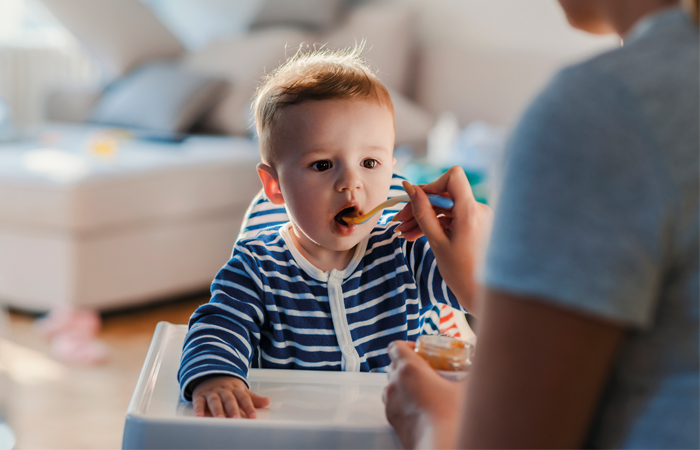
Weaning is an exciting new experience. It’s a gradual learning process and can provide a great opportunity for the family to sit down together and for the baby to learn from their parents.The first aim is to simply get the baby used to the feeling of food and different tastes in his or her mouth, which may take practice. Even babies without any teeth can learn to chew soft food and it is important to offer them a wide variety of tastes to help educate their palates and help them become good little eaters.
Starting the weaning process with vegetables teaches babies that not all foods are sweet and it can increase their liking and the amount of vegetables eaten for years to come. If a baby spits out a new taste at first, parents should keep trying – the more times babies try a new taste, the more likely they will be to accept it, even if it does take a few attempts!
When starting weaning, parents may choose an organic diet for their baby for a variety of reasons. These include:
At this age, babies’ organs, immune systems and other vital body systems are still developing. The kidneys in particular are immature and so not very efficient at excreting harmful substances, such as chemical pesticide residues, and therefore these may remain in the body for longer.
However, it’s worth noting that research doesn’t suggest organic foods provide any major nutritional benefits over non-organic foods. In addition, there are strict Government regulations on the amount of fertilisers or pesticides that can be present in foods. This means that even conventionally grown food should only contain very small amounts, which are considered safe.
Parents should be reassured that not choosing organic foods won’t do their baby any harm – it’s all down to their own personal preference. What’s most important is that babies eat a healthy, balanced diet.
 Did you know?
Eating food from a spoon or fingers requires a different mouth action to that used when drinking free-flowing milk, and may aid speech development.


