


 3 Min
3 Min In Conditions

Follow this topic

Bookmark

Record learning outcomes
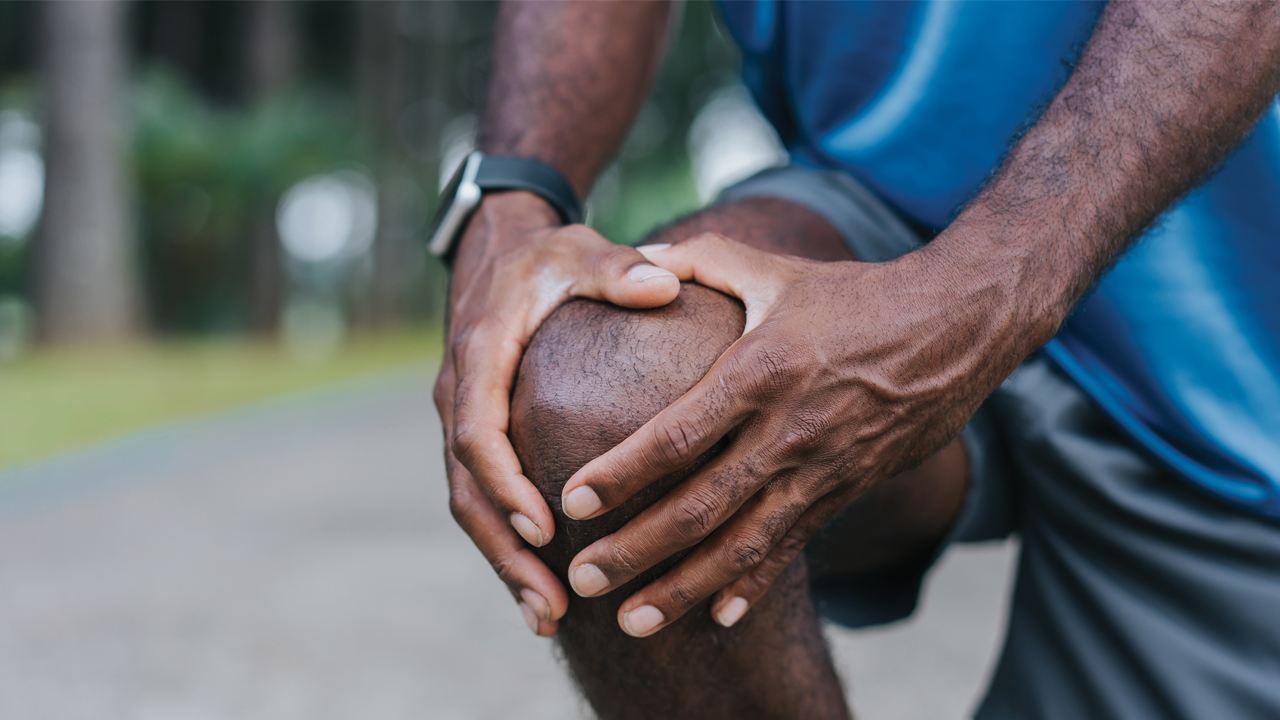
The human musculoskeletal system provides structure, supports weight, protects internal organs and enables a vast range of movement. It includes bones, muscles, tendons, ligaments, joints and cartilage.
“It is a complex system that gives our bodies structure and support, lets us move around and protects important organs. Injuries and many illnesses can damage bones, muscles and joints,” says Sammy Margo, chartered physiotherapist and Deep Heat, Deep Freeze and Deep Relief muscle and joint health specialist.
“According to research from Deep Relief’s Pain Census Report, 80 per cent of people in the UK have experienced muscle or joint pain at some point, with more than half likely to be in pain right at this moment (51 per cent).”
Pharmacy staff play an important role in assessing, treating and providing guidance on many common muscle and joint problems. “Sensitive questioning, active listening, signposting to appropriate self-care products, advice and reassurance, and referral to a GP or other healthcare professional when needed, are all key parts of this support,” adds Sammy.
Before looking at specific muscle and joint problems, it’s worth starting with a brief overview of the structure of the musculoskeletal system.
Components of the musculoskeletal system
Muscles
There are three types of muscle: skeletal, cardiac, and smooth. Of the three, only skeletal muscles are voluntarily controlled, and their main roles are movement and posture.
Joints
“A joint is where two bones work together, with cartilage as the cushioning between them,” says Sammy. There are three types of joints: immovable joints in the skull and arms, ball-and-socket joints in the hip, and shoulder and hinge joints in the elbows and knees.
Ball-and-socket joints allow for wide rotation of the arms and legs, whereas hinge joints allow movement in only one direction: bending and straightening.
Cartilage
This is the strong, flexible connective tissue that surrounds bones and cushions the spaces between them, reducing friction and absorbing shock.
Ligaments
These tough fibrous bands of tissue connect bones to other bones or, in some cases, bind the ends of bones together in a joint, allowing movement.
Tendons
Skeletal muscles are attached to bones via tendons, which transmit the mechanical forces generated when a muscle contracts directly to the skeleton, thereby enabling movement.
Sprains and strains
“Exercise and sports injuries often fall under the umbrella of sprains and strains. According to research data commissioned by my colleagues at Deep Heat, Deep Freeze and Deep Relief, more than a third of people in the UK (36 per cent) have had an exercise-related injury,” says Sammy.
“The defining factor between sprains and strains is the type of tissue that is injured, but both share symptoms like pain, swelling and limited mobility,” she explains.
“A sprain is where the ligaments that connect and stabilise the bones in a joint are stretched or torn and is usually caused by sudden twisting or impact. They most commonly occur in joints like ankles, wrists and knees.
Strains are stretched or torn muscles or tendons (tissues connecting muscle to bone), usually caused by overuse or forceful muscle contraction. They can develop suddenly or gradually over time through repetitive motion and often happen in the lower back, neck, or hamstrings.”
Management
“Many sprains and strains are fairly minor and can be managed at home using OTC treatments. However, to provide the best advice to customers, it’s important to find out when the pain started, as this determines what advice is most appropriate.
If the injury is new, cold therapy will be an important part of the PRICE protocol: Protect, Rest, Ice, Compress and Elevate. Cooling therapies help to calm minor aches and soothe inflammation, which can cause swelling and irritation in muscles and joints,” says Sammy.
“Once swelling and inflammation have subsided – usually around 72 hours – using warming products can bring more blood to the muscle and that brings added oxygen and nutrients to enhance muscle repair.”
Another treatment option is topical comfrey. The root eases pain, swelling and inflammation from sprains and strains, and may be as effective as topical diclofenac for ankle sprains.
Turmeric and boswellic acid, both herbal products, also have anti-inflammatory effects that appear to help with sprains and strains.
“More than a third of people in the UK have had an exercise-related injury”
Arthritis
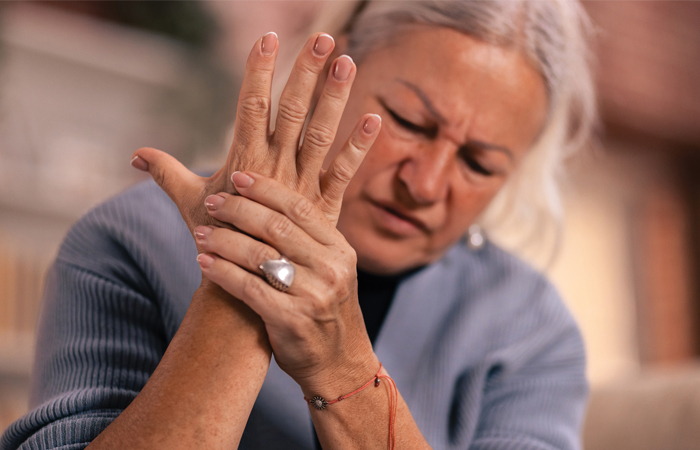
“Arthritis is characterised by joint pain and stiffness, [and] is one of the most common causes of pain. Different types of arthritis have different causes,” says Sammy.
- Osteoarthritis: “This type of arthritis is more common as you get older and most often affects the knees, hips, finger joints and big toe joint”
- Rheumatoid arthritis: “This is an autoimmune disease where the immune system attacks the lining of the joints”
- Septic arthritis: “A type of arthritis caused by an infection (usually bacterial)”
- Psoriatic arthritis: “A type of inflammatory arthritis which affects people who have psoriasis”
- Gout: “A painful condition where small crystals of uric acid form in the joints, causing pain, redness and inflammation”
- Ankylosing spondylitis: “A condition affecting the joints of the neck, spine and pelvis, causing back pain.”
Management
Regular exercises, such as gentle stretching and movements that take joints through their full range of motion, can help maintain and improve joint flexibility.
Weight reduction, where appropriate, can reduce joint load on weight-bearing joints such as the knees. Combining exercise with dietary changes has also been shown to reduce pain.
Pharmacy teams can also suggest heat treatment, which provides pain relief, reduces muscle spasms and stiffness, and enhances muscle flexibility and range of motion.
It can be delivered with superficial heat pads or wraps and heat lamps. Overall, these effects aid a fast resumption of normal functioning and participation in work/daily activities.
OTC treatment options
- Topical non-steroidal anti-inflammatory (NSAIDs) drugs, e.g. ibuprofen or diclofenac, are recommended by NICE as a first-line treatment
- Oral NSAIDs can be used if topical agents are ineffective, although check with the pharmacist to ensure that it is safe for the patient
- Paracetamol can be used for short-term relief, either alone or combined with codeine.
Popular supplements for osteoarthritis include glucosamine and chondroitin sulphate. Although not recommended by NICE, some evidence suggests that using both together is effective for knee osteoarthritis.
If patients wish to use these supplements, it would be better to use both, which can be continued if beneficial.
Diabetes-related joint pains
Poorly controlled type 1 and type 2 diabetes can result in joint damage and a limited range of motion. The most common problems include:
- Cheiroarthropathy, or diabetic hand syndrome. This affects 30 to 50 per cent of diabetes patients. Joints become less flexible, mobility is limited. Patients are unable to fully straighten their fingers and have difficulty with tasks
- such as buttoning up clothing
- Dupuytren’s disease or contracture can develop in up to 31 per cent of patients, affecting the palm of the hand and causing contraction of both the ring and little fingers towards the palm
- Carpal tunnel syndrome can also affect up to 30 per cent of patients, leading to pain, tingling and numbness in the hands and wrists.
Management
Diabetic patients presenting with any of the above should be referred to the pharmacist. Optimising diabetic therapy can help slow the progression but not reverse these complications.
Resistance or weight training not only improves glucose control, but also enhances muscle strength, which supports and stabilises joints.
Poor posture and work-related Repetitive Strain Injury (RSI)
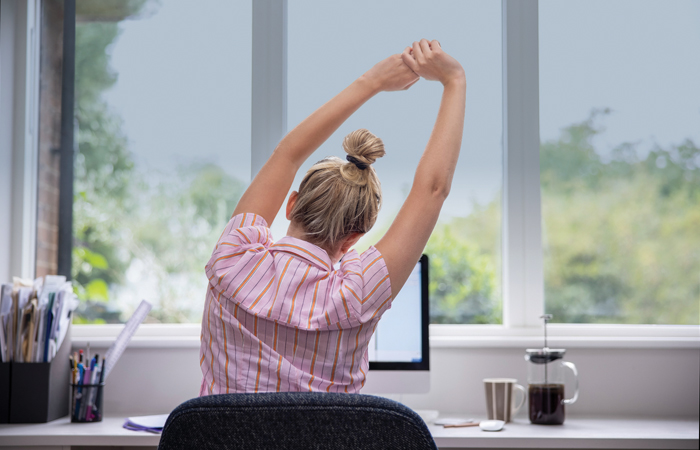
Poor posture from sitting in front of a computer, watching TV, or looking down at smartphones for prolonged periods can lead to back and neck problems.
What’s more, if sustained for several hours each day, it can lead to muscle imbalances, ligamentous strain and premature joint degeneration. In addition, sitting for long periods of time can cause hip flexor problems.
“The body is designed for movement. Sitting too long can damage the musculoskeletal system. Even if someone’s posture is spot-on when they’re sitting, they should make sure they get up regularly and move around,” says Sammy.
RSI is an umbrella term for a range of painful musculoskeletal disorders affecting muscles, tendons, nerves and soft tissues. These often occur in the fingers, wrists, forearms, elbows and shoulders, and arise when small traumas to the tissues from overuse outpace the tissues’ ability to fully recover.
In the modern office environment, RSI occurs as a consequence of:
- Repetitive movements, e.g. typing without suitable breaks
- Awkward postures, either sitting or standing at work
- Static muscle loading, for instance, holding a muscle in the same position for long periods of time, e.g. gripping a computer mouse.
Often, patients report pain, swelling, tingling, numbness, stiffness or even weakness in the affected areas.
Management
Although analgesics such as paracetamol or ibuprofen (oral and topical) can help with any pain, preventative measures are most effective.
“Ideally, one should sit with the shoulder blades slightly pulled back and down and the chair adjusted so the hips and knees are at 90 degrees,” says Sammy.
“Keep both feet planted on the ground with weight distributed evenly, whether sitting or standing.”
Scheduling regular breaks away from the workstation can also help with both RSI and poor posture.
Shin splints
Shin splints are a common exercise-related problem that often develops in frequent runners or from activities that repeatedly put weight on the legs, e.g. tennis or basketball.
It is thought to be caused by irritation or inflammation of the muscles, tendons and bone tissue around the shin.
The main symptom of shin splints is pain along the inner part of the shin. It can start as a dull ache and worsen upon activity. The shin area can become tender and sometimes swell. The pain can persist at rest and recur upon exercise.
Management
Resting from activities for two to three weeks allows the legs to heal. Holding an ice pack against the shins for about 10 minutes every few hours during the first few days helps reduce pain and swelling. Both paracetamol and ibuprofen can be used to manage any associated pain.
Use it or lose it
The term hypokinesia refers to a lack of physical activity that leads to a range of degenerative changes in the musculoskeletal system. Loss of muscle mass or sarcopenia can occur very quickly, reducing strength.
In addition, a lack of physical activity decreases bone mineral density (increasing the risk of osteoporosis). Tendons also become stiffer with insufficient use.
Although sarcopenia also occurs with increasing age, the good news is that engaging in physical activity at any age is beneficial, even for those over 80.
Our musculoskeletal system has evolved to move and actively breaks down without sufficient physical activity, so encourage customers to remain as active as possible.
In fact, there is a great deal of truth in the phrase ‘use it or lose it’.
Red flags
- Sudden and severe pain/swelling in a single joint
- Inflamed and hot skin surrounding the joint
- Sore joints with fever or feeling cold/shivery
- Inability to bear weight on a joint
- Numbness
- There is severe bruising; it looks deformed, or the pain does not reduce after two to three days.

Share:


In Conditions