


 5 Min
5 Min In Conditions

Follow this topic

Bookmark

Record learning outcomes
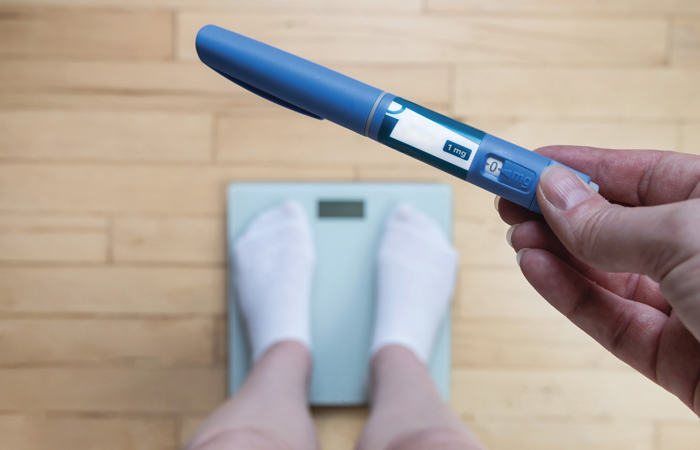
Weight loss medicines have been dominating the headlines, with rising numbers of patients using the prescription-only GLP-1 jabs, on the NHS or privately. Even more are expected to buy into the tablet formats that have debuted this summer.
These medicines are transforming the treatment of obesity and its related health risks, and are also prescribed to improve blood sugar control in people with type 2 diabetes.
However, despite being viewed as a ‘magic cure’ for obesity, they are not suitable for everyone and can cause serious side effects and health risks if they are not used safely.
In June this year, UCL researchers highlighted that access to nutrition advice, healthy food and ongoing healthcare support is essential to ensure these medicines have a long-term positive impact on people’s overall health.
In addition, in July, the MHRA reminded people how to use GLP-1 medicines safely, spot illegal sellers, and avoid dietary changes that could interfere with their medicines or make them very unwell.
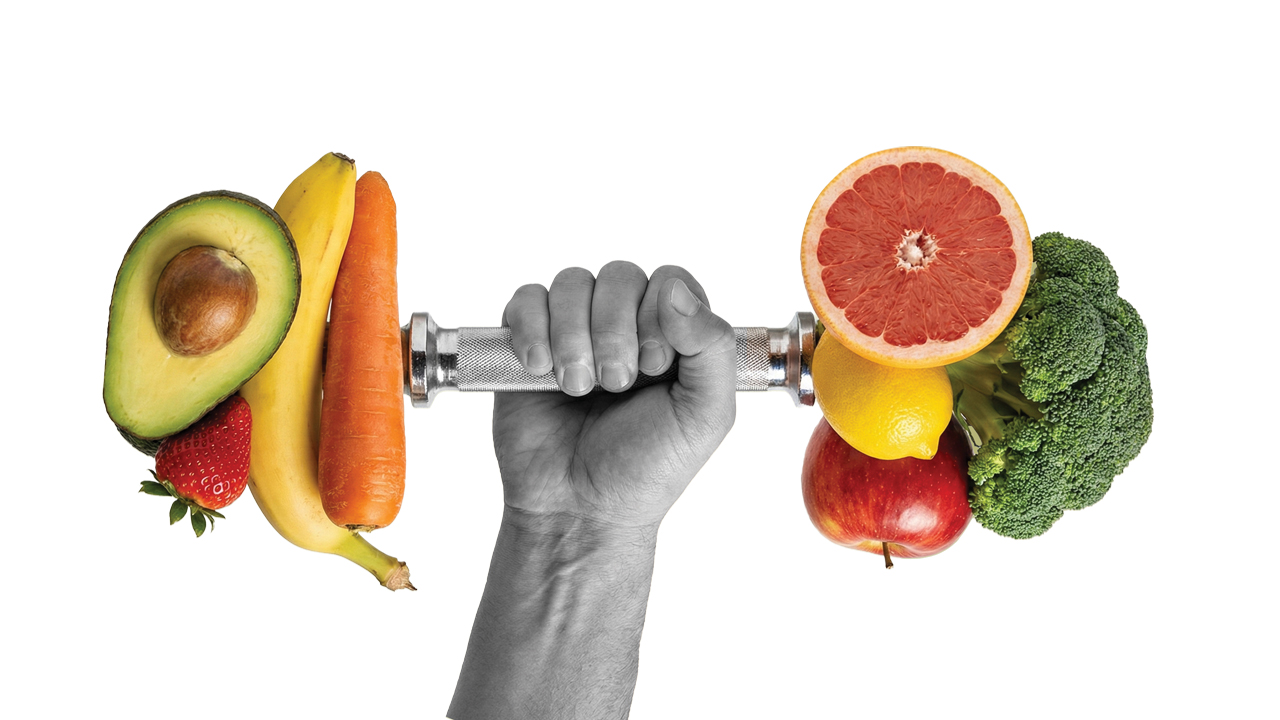
“Weight loss medicines should be viewed as a tool to support lifestyle change rather than a replacement for healthy behaviours,” says Dr Nikita Rowley, lecturer in psychology and researcher in physical activity, exercise and health at Coventry University.
“Pharmacy teams are in a unique position because they often have regular contact with people using these medicines. One of the most important messages is that the goal should not simply be ‘losing weight’, but improving health, function and quality of life.”
Dr Rowley adds that people using weight loss medicines should be encouraged to focus on adequate protein intake to help preserve muscle mass, to eat nutrient-dense foods, including fibre, and drink plenty of fluids.
“Exercise, physical activity and movement helps to preserve muscle and support long-term weight management. Prioritise resistance training and encourage people to move more in everyday life,” she says.
“Weight loss medicines should be viewed as a tool to support lifestyle change rather than a replacement for healthy behaviours”
Who is using these medicines?
In January, the National Pharmacy Association (NPA) predicted that 3.3 million people would be using GLP-1 weight loss injections this year.
Their active ingredients, GLP-1 receptor agonists such as semaglutide, tirzepatide and liraglutide, mimic the body’s naturally occurring GLP-1 hormone, which is released after eating.
They work by slowing down digestion, increasing insulin, reducing hunger, helping people feel full for longer and decreasing food cravings. This then leads to weight loss and improved blood sugar control.
To be eligible for the GLP-1 jabs on the NHS in England, adults typically must have a BMI of at least 35, as well as at least one weight-related health condition (e.g. type 2 diabetes) – and only after dietary, exercise and behavioural approaches have failed to work.
The BMI limits are lower for some minority ethnic groups that face higher health risks at lower body weights.
The medicines must be used alongside a reduced calorie diet and increased physical activity. They can usually be prescribed for up to two years.
Even if patients are eligible for GLP-1 medicines on the NHS, access can be a postcode lottery, and this is pushing many people towards private providers.
A report by The Food Foundation in April found that around 90 per cent of UK patients access GLP-1 medicines through private, non-NHS channels.
Privately, the medicines are licensed for adults with a BMI of 30 and above, or 27 and at least one weight-related comorbidity.
According to the NPA, pharmacies can expect to see even more demand for weight loss medicines this year, with the launch of the prescription-only semaglutide (Wegovy) tablet in July.
It isn’t yet available on the NHS but may be prescribed privately to adults in the UK with a BMI of 30 or above, or who are overweight with a BMI between 27 and 30 and at least one weight-related comorbidity.
Last month, the MHRA authorised another GLP-1 tablet (containing orforglipron) for weight management and type 2 diabetes. Again, this prescription-only medicine, known by the brand name Foundayo, is available privately and not yet on the NHS.
Dangers of unregulated supply
According to the MHRA, if people are not eligible for weight loss medicines on the NHS, they should not buy them from unregulated websites or social media suppliers.
There are concerns that it will be easy for criminals to counterfeit the new weight loss tablets. Indeed, the NPA’s survey revealed that 97 per cent of pharmacies were concerned that this would result in an increase of fake or unlicensed weight loss pills being sold on the black market, causing a risk to patient safety.
“Community pharmacies provide an important safeguard against unregulated supply,” says Thorrun Govind, pharmacist and TV health expert (thorrun.co.uk).
“Buying weight loss medicines from unlicensed online sellers or social media carries serious risks, including counterfeit or unsafe products and a lack of clinical oversight.
These medicines work best when combined with healthy eating, physical activity and wider lifestyle changes. Community pharmacy teams are ideally placed to reinforce these messages and support people experiencing side effects.
Trained pharmacy support staff are often the first point of contact for people asking about weight loss medicines and can help to identify who may benefit from a conversation with the pharmacist.”
“A healthy, balanced diet involves eating plenty of fruit and vegetables and cutting down on alcohol and fatty or sugary foods”
Using weight loss medicines safely
While GLP-1 medicines are important weight loss treatments for many people, they must not become a substitute for healthy lifestyles.
According to the MHRA, the medicines should always be used alongside a healthy diet and fitness regime, and it is important that patients don’t fast-track their weight loss by increasing their dose of GLP-1 medicines without their GP’s advice.
GLP-1 medicines can cause digestive side effects such as nausea, vomiting, constipation, diarrhoea and bloating. There are also growing warnings about the risk of serious side effects such as acute pancreatitis, although studies currently remain inconclusive.
Without appropriate dietary advice and monitoring, using these medicines may increase the risk of nutritional deficiencies and higher muscle loss.
Another downside is that on average, people return to their baseline weight within 18 months of coming off GLP-1 medicines.
Some studies show that weight regain is faster after stopping GLP-1s compared with weight gain after stopping behavioural programmes, no matter how much weight was lost during treatment.
Alternatives to weight loss medicines
Lifestyle changes are the first-line approach for people who want to lose weight or maintain a healthy weight. This involves eating and drinking fewer calories than the body uses, and doing more physical activity to burn off excess calories.
According to the NHS, an average woman uses around 2,000 calories a day, and an average man uses around 2,500 calories a day. A healthy balanced diet involves eating plenty of fruit and vegetables and cutting down on alcohol and fatty or sugary foods.
Very low-calorie diets can be dangerous or may not be suitable for everyone. They are usually only recommended under medical advice if people’s weight is affecting other health conditions, or if they need to lose weight quickly (before surgery, for example).
A dietitian can provide a safe and sensible healthy eating and weight loss programme.
Steady weight loss, aiming to lose around 1 to 2lbs (0.5 to 1kg) each week, is most effective. Keeping active for 45 to 60 minutes a day helps with weight loss, especially in the long-term.
It’s important that people set themselves realistic weight loss goals and check their progress by weighing themselves regularly or measuring their waist or hips.
If people need extra support and motivation, they can enrol in a weight management programme in the pharmacy if your pharmacy offers this service, or at their GP surgery.
They may benefit from one-to-one coaching, cognitive behavioural therapy, exercise classes (in person or online) or group support. If they need a lot of extra support, their GP may refer them to the NHS digital weight management programme or a specialist weight management service.

Customers should look to lifestyle changes to manage their weight before seeking out a GLP-1 prescription.
“90 per cent of UK patients access GLP-1 medicines through private, non-NHS channels”
Burnout and nutrition
Burnout is a state of physical, mental and emotional exhaustion that can occur because of long-term stress and constant pressure.
Although it is not classified as a medical or mental health condition, burnout is recognised by the World Health Organization (WHO) as an ‘occupational phenomenon’. It can also be experienced alongside other life pressures, such as being a caregiver or parent, or living with a chronic illness or condition.
Extreme pressure
In Mental Health UK’s Burnout Report 2026, based on YouGov polling of more than 4,500 UK adults, one in five workers said they had taken time off work due to poor mental health caused by stress, with nine in 10 adults experiencing high or extreme levels of pressure and stress in the workplace last year.
Worryingly, while burnout is increasing, some employers are failing to adequately support their employees’ recovery.
In the report, the top drivers of stress in the workplace were a high or increased workload, followed by regularly working unpaid overtime beyond contracted hours, and fears about redundancy and job security.
Poor sleep, money worries and poor physical health were the main factors driving stress outside the workplace.
Burnout can trigger physical signs of stress, including muscle tension, sleep problems, headaches, palpitations and high blood pressure, along with severe exhaustion, apathy, hopelessness and a sense of emotional detachment.
This affects people’s ability to do anything by draining their energy and zapping their motivation. If burnout becomes overwhelming, it can lead to mental health conditions such as depression and anxiety. Some people rely on excessive alcohol, drugs and comfort eating to cope with burnout symptoms.
However, addressing the underlying cause of the constant stress and pressure is the only long-term solution.
No specific foods or diets can prevent or treat burnout, but eating healthy foods regularly is associated with a lower level of burnout symptoms. Cutting down on takeaways, processed foods, soft drinks and snacks high in sugar, salt and fat may help.
Deficiency makes a difference
Mital Thakrar, head of private services at Bestway Healthcare UK, says that good nutrition can make a significant difference to energy levels and overall wellbeing.
“Eating regular, balanced meals, staying hydrated, exercising regularly, and getting enough key nutrients can help support both physical and mental health,” he says.
“Where dietary intake is limited or a deficiency is suspected, supplements may also have a supportive role alongside a balanced diet. Certain nutrients, including B vitamins, iron and magnesium play an important role in normal energy metabolism.
Correcting a deficiency in these nutrients can help to improve energy levels. However, persistent fatigue should always be assessed to identify the underlying cause rather than relying on supplements alone.”
According to the Health and Food Supplements Information Service (HSIS) 2025 Dietary Deficits and Future Health and Wellness Fallouts report, if people are experiencing low mood, fatigue, brain fog and poor sleep, they may be missing out on essential nutrients, especially vitamin D, iron, calcium, folate, selenium, potassium, omega-3 fats and iodine.
All of these nutrients play critical roles in energy release, immunity, blood pressure, bone health, brain function and heart health.
A complex situation
Mohammed Ismail Lakhi, owner and superintendent at The Care Pharmacy in Bradford, says that if someone is genuinely deficient in nutrients such as iron, vitamin B12, vitamin D and folate, correcting those deficiencies may improve fatigue and other symptoms.
However, supplements are unlikely to improve burnout in people who are not deficient. “Pharmacy teams should remind patients that unexplained or persistent fatigue warrants clinical assessment,” he says.
“Low energy can result from many causes, including poor sleep, anaemia, depression or side effects. Supplements should not be viewed as a substitute for appropriate medical evaluation.”
According to mental health charity Mind, the link between diet and mental health is complex, but eating well can make people feel better physically and mentally.
The Mental Health Foundation says that diets higher in protein can support mental wellbeing. This is because protein contains amino acids, which the brain needs to produce the neurotransmitters that help to regulate thoughts and feelings.
Gut health can speed up or slow down when people are stressed, which is why stress can cause digestive symptoms. Healthy foods for the gut include fruit, vegetables, beans, pulses and probiotics.
Caffeine (found in coffee, tea, cola, energy drinks and chocolate) can also affect mood, causing irritability, anxiety and sleep problems – so this should be limited.
“Good nutrition plays an important role in supporting energy levels, cognitive function and overall resilience,” says Mohammed. “Skipping meals, relying on highly processed foods and consuming excess sugar can contribute to fluctuations in blood glucose, which may worsen tiredness and concentration.
A balanced diet with regular meals containing protein, fibre and healthy fats will help to provide more sustained energy throughout the day. Good hydration is also essential, as even mild dehydration can contribute to tiredness and reduced concentration.”

Share:


In Conditions