7 Min
7 Min

In OTC training

Bookmark
Scroll through TikTok or Instagram and you’ll find collagen everywhere: powders stirred into morning coffee, gummies promising bouncier skin, serums claiming to plump wrinkles from the outside in, and even injectable treatments marketed as a shortcut to youth.
But how much of this is backed by evidence, and how much is clever marketing dressed up as science?
Whether it’s a customer choosing between a £140 powder and a £4 one, or someone wondering if a ‘collagen-boosting’ face cream actually does anything at all, the truth, as with most wellness trends, sits somewhere between the hype and the scepticism.
Not all collagen products work the same way, and not all forms reach the body in the same way. Understanding these differences is key to giving customers honest, helpful advice, so here’s what pharmacy staff need to know.
Common myths and misunderstandings
Collagen is the most abundant protein in the body, making up a large part of the skin, bones, muscles, tendons and ligaments. It’s also found in cartilage, blood vessels and the lining of the gut.
For skin, it helps to keep it firm and supple, but it also helps joints move smoothly and supports bone strength.
From about our mid-20s onwards, we naturally lose collagen, and external factors accelerate this decline. It’s not surprising, therefore, that collagen has become one of the most popular ingredients on social media for healthy ageing and beauty – but not all of these claims are supported by robust scientific evidence.
“One of the most common misconceptions is that simply applying collagen to the skin will somehow replace the body’s collagen that has been naturally lost as a part of the ageing process,” says Dr Nisa Aslam, GP and spokesperson for the Evera Nutrition range of science-backed supplements including vitamins, minerals, botanicals and herbals.
In reality, Dr Aslam says: “Collagen molecules applied topically are too large to penetrate intact skin, so used in this way it primarily acts simply as a moisturiser that might reduce water loss, rather than stimulating production of new collagen.
Moisturisers that contain ingredients such as vitamin C, retinol, vitamin A or dermatologist- recommended synergistic blends of peptides have stronger evidence for influencing collagen synthesis within the skin than collagen itself.”
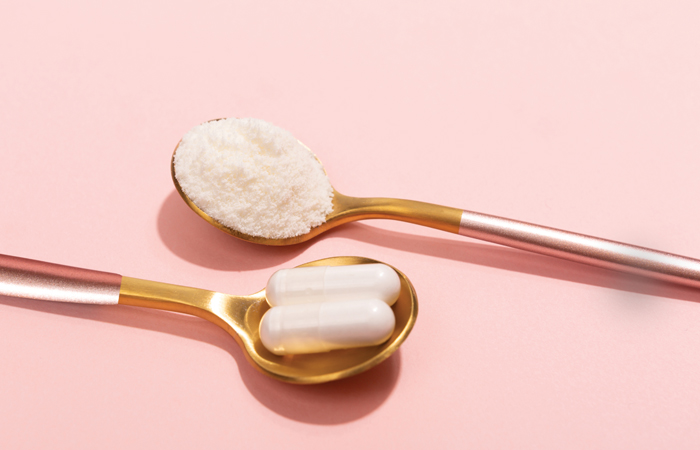
Another common myth is that all supplements containing collagen are identical – but Dr Aslam is clear that they are not.
“Most of the convincing clinical evidence relates to hydrolysed collagen peptides, which have usually been broken down into smaller ‘di’ or ‘tri’ peptides that are more readily absorbed,” she explains.
“Evidence suggests that these compounds may stimulate fibroblasts to increase production of collagen within the skin, although the significance of benefit varies between products and is also dependent on study design.
Hence, it is important to establish the type of collagen that is being used in a formula and the degree to which a product is supported by well-designed clinical trials carried out in humans.”