


 1 Min
1 Min In Campaigns

Follow this topic

Bookmark

Record learning outcomes
June! The sixth month of the year always seems to come around sooner than we expect, reminding us that time is passing – we are almost halfway through 2026.
June is a month to look back at the past six months; have we made those changes we set out to make in January? If not, this is an opportunity to re-align ourselves with any goals, sentiments or ambitions for the year, personally and professionally.
In the pharmacy, this may be the ideal time to assess whether your team has had the chance to support any health awareness campaigns for the year. If yes, June has many campaigns for your team to continue to support. If no, June has many campaigns to get started with.
A life-saving campaign
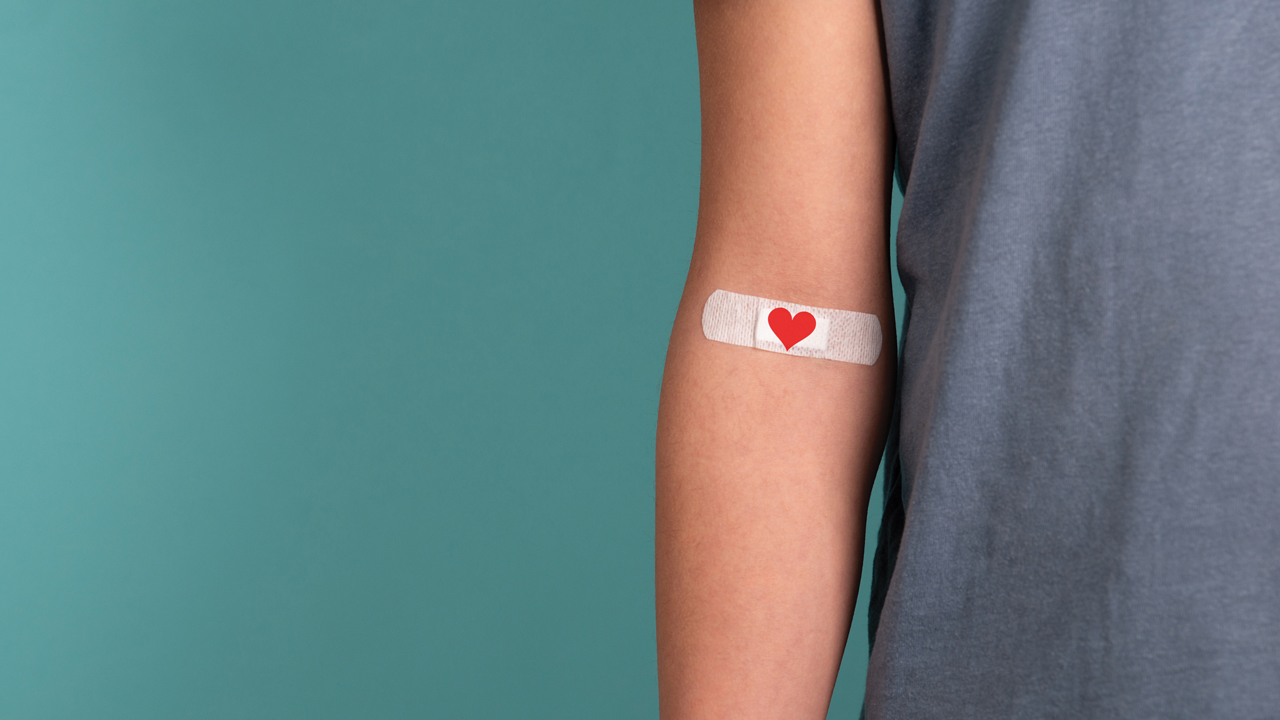
World Blood Donor Day takes place on 14 June and is celebrated globally. Countless lives are saved each year, thanks to voluntary, unpaid blood donors giving the gift of blood. A single donation can save up to three lives.
“A blood service that gives patients access to safe blood and blood products in sufficient quantity is a key component of an effective health system,” says the World Health Organization.
“Every year, countries around the world celebrate World Blood Donor Day. The event serves to raise awareness of the need for safe blood products and to thank voluntary, unpaid blood donors for their life-saving gifts of blood.”
In the UK, members of the public can give blood at blood banks all over England, Northern Ireland, Scotland and Wales by logging into the NHS Give Blood app.
Anyone who is fit and healthy should be able to give blood, although there are a few requirements that pharmacy teams can share with customers. To donate blood, people need to:
- Be generally fit and well
- Be aged 17 to 65 if it’s a first donation, or up to 72 if the person has donated before (or older if they donate regularly)
- Weigh between 50kg and 158kg
- Have suitable veins. These will be checked on the day.
Visit blood.co.uk/who-can-give-blood/ to see the full list of ‘do’s and don’ts’ for donations.
If pharmacy teams can increase awareness of the need for blood donations and encourage even one person to donate, the health system will be all the better for it.
But in particular, the NHS is calling for more donors of Black heritage. “Every day, people with sickle cell disorder rely on blood transfusions to stay alive. For the safest transfusion, they need blood that’s closely matched to their own.
This often comes from someone of the same heritage, including people of Black-African, Black-Caribbean and Mixed ethnicity,” says the NHS.
“Only three per cent of our blood donors are from Black heritage communities. This means many patients wait longer for the best match. We urgently need 12,000 more donors of Black heritage to meet the growing demand.”
Closely matched blood makes a significant difference to patients. It improves energy and reduces pain, helps to prevent strokes in children and adults, and allows people to live more active, independent lives.
Visit blood.co.uk to learn more, find the closest blood bank to your pharmacy, and download learning materials, resources and social media graphics.
Strike out the stigma
June also plays host to Diabetes Week, and from the 8th until the 14th of the month, Diabetes UK will be campaigning to raise awareness about how we talk about diabetes.
“Eight out of 10 people living with diabetes say they’ve faced negative attitudes because of their diabetes – people passing judgement, making sweeping statements, or blaming and shaming people living with diabetes,” the charity says.
“This is diabetes stigma. And it causes real harm to millions. That’s why we’re on a mission to ‘Strike Out Stigma’.”
The issue with stigma is that people start to believe these things about themselves, damaging their self-esteem, confidence and contributing to higher levels of stress and/or anxiety.
“People who experience or internalise stigma are more likely to report symptoms of depression, anxiety, diabetes distress or low self-esteem,” says Diabetes UK.
Tackling stigma starts with educating people about their bias, the condition itself and a collective understanding about how to talk to people living with the condition.
This year, Diabetes UK says the aims of the Strike Out Stigma campaign are to:
- Strike out misinformation in the media. “We’ll demand accurate information and real stories instead”
- Strike out judgement at healthcare appointments. “We’ll ask healthcare professionals to treat the whole person so that the challenges of living with diabetes are recognised”
- Strike out assumptions about why someone has diabetes. “We’ll increase awareness about the condition and its complex causes”
- Strike out the food policing from friends and family. “We’ll encourage support and understanding instead.”
Visit Diabetes UK for more.

Share:


In Campaigns