


 Sleep hygiene
Sleep hygiene
The following sleep hygiene measures can help to increase the chances of falling asleep easily, managing stress and having a good night’s sleep:
Do:
- Stick to a regular sleep routine every day, even at the weekend
- Ensure the bedroom is a comfortable temperature
- Remove distractions such as bright lights and noise
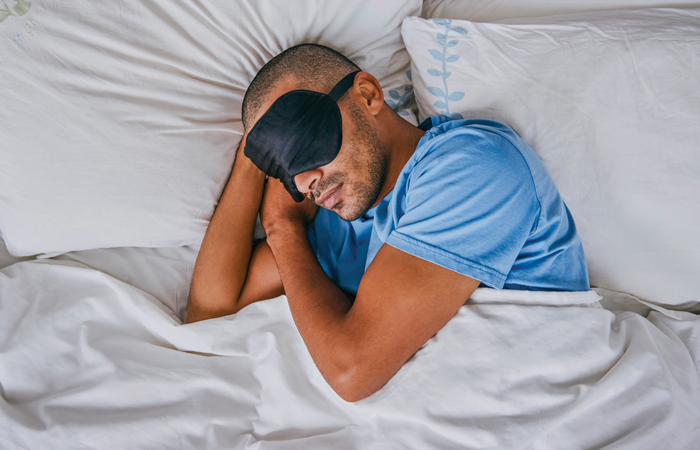
- Use dark curtains, a sleep mask or earplugs if necessary
- Check that the mattress is supportive – too firm and it puts pressure on the hips and shoulders, too soft and it’s bad for the back
- Exercise moderately during the day, but avoid activity close to bedtime
- Make time to relax before bed, such as having a warm bath
- Write a list of worries or tasks that need to be done the
following day - Quit smoking – smokers take longer to fall asleep and wake more frequently.
Don’t:
- Go too long without sleep or wake up too late
- Stay in bed tossing and turning – if sleep is proving difficult, get up and do something relaxing, such as reading or listening to soothing music, before returning to bed when feeling tired
- Drink caffeinated drinks after mid-afternoon – opt for water, milky drinks or caffeine-free herbal teas instead
- Take medication containing caffeine – it is sometimes an ingredient in OTC painkillers and cold remedies
- Have a nightcap – alcohol may induce asleep, but it can lead to fragmented sleep and even insomnia
- Eat too close to bedtime – meals should be early in the evening
- Take naps – they make it harder to fall asleep at night.
Signposting
- Stress Management Society: stress.org.uk
- The Sleep Charity: thesleepcharity.org.uk
- British Snoring and Sleep Apnoea Association: britishsnoring.co.uk
Or use your Counter Intelligence Plus training guide.