


 1 Min
1 Min In Opinion

Follow this topic

Bookmark

Record learning outcomes
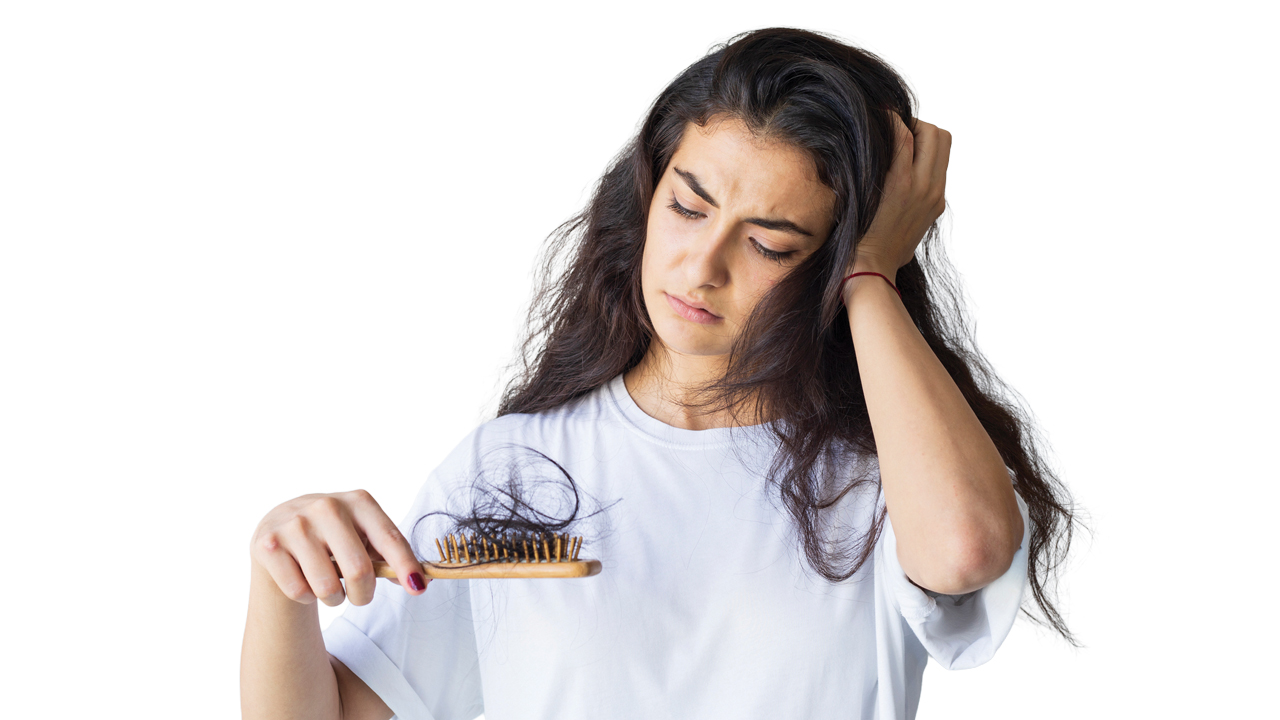
Q: Does stress really have an impact on hair loss?
A: “From a clinical standpoint, stress can have a very real and measurable impact on the hair cycle.
“Hair grows in three main phases: anagen (growth), catagen (transition) and telogen (resting). When it is under significant physical or emotional stress, the body can shift a larger proportion of hair follicles prematurely into the telogen phase.
This condition is known as telogen effluvium. Several months after the stressful event, patients often notice increased shedding, particularly when washing or brushing their hair.
“Stress can also contribute to other forms of hair loss. In individuals with a genetic predisposition, it may accelerate androgenetic alopecia. Additionally, stress can disrupt hormonal balance and impair nutrient absorption, both of which are essential for healthy hair growth.
“Hair loss can also intensify the cycle of stress, particularly where it affects confidence and appearance. In our recent survey, nearly one in five men (19 per cent) said hair loss makes them feel regularly stressed, while more than half (55 per cent) admitted they consistently worry about their hairline, highlighting the significant emotional impact it can have.”
Q: Is it true that a person’s job can put them at greater risk of hair loss?
A: “Work is a leading source of stress, with recent research from the Trades Union Congress finding that 79 per cent of workplace safety representatives identify stress as a major issue in their organisation.
“Research conducted by Elithair also highlights how this pressure is felt most acutely in frontline roles, with doctors and social workers among the most affected, followed by those working in public administration and defence, as well as teachers and other education professionals.
“However, while a person’s job may play a role in their hair health – especially if it involves high stress, shift work, chemical exposure or physical strain – it is almost never the only cause of hair loss.
“By understanding the mechanisms, taking protective steps, and seeking specialist advice early, you can better manage the risks and protect your hair regardless of career.”
Q: What’s the best advice for anyone worried about stress-related hair loss?
A: “To reduce the risk of stress-related hair loss, the focus should be on both managing stress and supporting the hair cycle. So advice would be to:
- Maintain consistent sleep patterns, as poor sleep can exacerbate hormonal imbalance
- Incorporate regular physical activity, which helps regulate stress hormones
- Practise stress management techniques such as mindfulness, breathing exercises or meditation
- Ensure a balanced diet rich in iron, protein, zinc and vitamins such as B12 and D
- Avoid crash dieting, which can trigger shedding
- Be gentle with hair care, limiting excessive heat and tight hairstyles that may worsen shedding
- Seek medical advice early if shedding becomes noticeable or prolonged.
“If stress-related hair loss does occur, it is often reversible once the underlying trigger is addressed. However, early assessment can help rule out other contributing factors and guide appropriate treatment.”
To find out more, please visit: elithair.co.uk.

Dr Abdulaziz Balwi
Can weight loss jabs cause hair loss?
“Skinny jabs like semaglutide and tirzepatide work by mimicking the hormone response in the body that regulates insulin and makes us feel full. Whilst many skinny jab users report hair loss as a side-effect of the injections, there is currently no direct clinical evidence to prove the correlation,” says Dr Balwi.
“This isn’t to say, however, that those prescribed the medications can or will not experience hair loss. This can happen in response to the rapid and extreme weight loss that individuals experience when on the medication.”
In addition to the stress on the body, when people lose weight – through diet, surgery or weight loss injections – they can also lose out on vital nutrients, which can impact hair health.
“It is, therefore, critical that people are still consuming the vitamins and nutrients that the body needs,” Dr Balwi says.
Those most at risk of experiencing hair loss as a side-effect of weight loss injections include people who experience rapid weight loss or are restricted to low-calorie diets. Those with pre-existing thyroid conditions or anaemia are also at greater risk.
Because of this, anyone considering starting on weight loss jabs should be asked about underlying medical conditions so that these can be properly assessed and their treatment managed by a healthcare professional.

Share:


In Opinion