



 5 Min
5 Min In OTC

Follow this topic

Bookmark

Record learning outcomes
Most of us experience an occasional headache. Usually, these are not a sign of something serious and disappear after a short period of time. However, many people do not know that there are actually two categories of headache – primary and secondary:
- A primary headache means that the headache itself is the main medical problem. This is the most common type
- A secondary headache means that the headache is a symptom of another medical issue.
Types of secondary headache
Secondary headaches happen because something else is going on. Jacquie Lee, Numark medication safety officer and information pharmacist, explains that there are lots of common types that may be encountered in the pharmacy:
- Dehydration headaches are caused by not drinking enough fluids. They often present with a generalised or worsening headache alongside thirst or dizziness
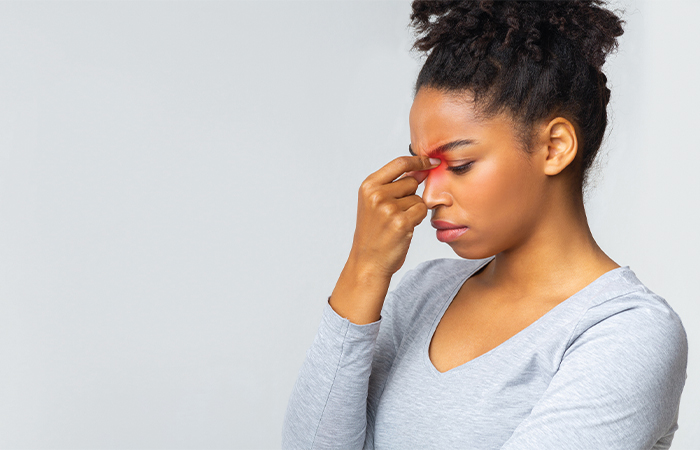
- Sinusitis-related headaches occur with pain or pressure around the cheeks, eyes, or forehead. Typically, they get worse when leaning forwards and are often accompanied by congestion or nasal discharge
- Exercise induced headaches are triggered during or after strenuous physical activity. They can present as throbbing and bilateral
- Altitude headaches occur at high altitudes because of lower oxygen levels. They often present with throbbing pain that is worsened by exertion
- Medication overuse headaches are commonly seen in community pharmacy. They occur when analgesics are used on more than 15 days a month. Headaches become more frequent despite taking more painkillers.
“Thankfully, serious causes of secondary headache are rare, accounting for less than one per cent of people presenting with headache,” says Dr Nisa Aslam from OTC pain relief medicine Combogesic.
However, she adds that there are plenty of “seemingly simple lifestyle issues” that can cause secondary headaches. These include:
- Bad posture – this can cause tension in the upper back, neck and shoulders which can lead to a headache. Slouching at a desk, sprawling on the sofa or ‘text neck’, where the head is tilted forward and down for extended periods while using smartphones, tablets, or computers. Typically, the pain throbs in the base of the skull and sometimes flashes into the face, especially the forehead
- Perfumes and the chemicals sometimes found in toiletries, household cleaners and air fresheners can spark headaches in some people
- Weather – high humidity, rising temperatures and pressure changes that accompany storms are thought to trigger chemical and electrical changes in the brain, which irritate nerves, leading to a headache
- Grinding teeth at night (bruxism) affects up to 80 per cent of the UK population. It makes the jaw muscles contract and can cause a dull headache
- Hormones can be a regular trigger of headaches for women as a result of menstruation or menopause
- Sleep and headaches are intrinsically and intricately linked to each other. It is estimated that between a third and a half of all headaches are caused by chronic sleep deprivation or poor sleep quality
- Alcohol can lead to headaches, particularly if people over-indulge. Dehydration is the main reason for headaches and hangovers after drinking, both because alcohol is a diuretic and also because people are less likely to be drinking water when they are drinking alcohol. There are other factors involved too. For example, alcohol causes the blood vessels around the body to expand, resulting in an increased blood flow to the brain and, for some people, this can lead to headaches
- Eye strain headaches are commonly caused by untreated or uncorrected long sightedness, short sightedness or astigmatism. Prolonged screen time, reading or driving can also put excess strain on the eyes.
“Counter staff play an important triage role. Recognising red flags and escalating appropriately can be critical”
Self-care advice
If a cause or trigger for a headache can be identified, Dr Aslam says: “Advising the customer to try to reduce or avoid that trigger must always be a first piece of advice.”
Jacquie also has some practical tips that pharmacy teams can share with customers:
- Dehydration headaches often improve once fluid levels are restored. Encourage customers to drink water regularly throughout the day and to avoid having too much caffeine or alcohol, as these can worsen dehydration. For symptom relief, suitable over-the-counter options include simple analgesics such as paracetamol or ibuprofen, provided they are appropriate for the customer
- Sinus headaches usually occur when the sinuses become blocked or inflamed. You can advise customers to use warm steam inhalation and saline nasal rinses to help ease congestion and pressure. OTC treatments may include decongestants such as pseudoephedrine or oxymetazoline, which are only suitable for short-term use. It is also important to check their appropriateness, particularly in people with hypertension, heart disease, or those taking certain medicines. Analgesics can be offered to help with pain relief
- Exercise induced headaches can occur during or after strenuous physical activity. Encourage customers to warm up properly before intense exercise and to stay well hydrated. For occasional short-term relief, anti-inflammatory drugs such as ibuprofen may be suitable if the individual has no contraindications
- Medication overuse headaches can occur when analgesics are taken too frequently, leading to a ‘rebound’ cycle where headaches become more regular. They are typically seen in people experiencing 15 or more headache days per month. You can explain this cycle to customers. A pharmacist review is important to support safe analgesic reduction and to explore alternative headache management strategies
- Eye strain may require a visit to the optometrist
- Teeth grinding might be helped with relaxation activities such as yoga or tai chi, or a visit to the dentist to have a mouth guard fitted.
The goal of all pain management has to be finding the treatment approach that provides maximum pain relief with minimal risk of side effects, but Dr Aslam admits: “That’s not always easy to navigate. When it comes to specific OTC pain management, monotherapy usage of paracetamol followed by ibuprofen are the first medicines to consider. If these fail to provide adequate pain relief, it is well documented that because of their different mechanisms of action, the analgesic power of paracetamol and ibuprofen is synergistically amplified when the two are combined.”
Secondary headache red flags
From a pain management perspective, Emma Davies, principal pharmacist – pain, analgesic stewardship and harm reduction at Cwm Taf Morgannwg University Health Board, and clinical lead at NHS Wales Performance and Improvement – says headaches are one of the most common presentations in community pharmacy, but they are also one of the areas where staff can have a significant impact on patient safety.

Can GLP-1s reduce migraines?
The potential benefits of GLP-1 drugs – best known as treatments for obesity and diabetes – may extend to migraine relief, according to research presented at the European Academy of Neurology Congress in Helsinki in June last year.
In a small preliminary study, neurologist Simone Braca of the University of Naples Federico II and colleagues investigated whether liraglutide, an older relative of semaglutide (Ozempic and Wegovy), could help migraine sufferers. Thirty-one adults with obesity received daily injections of liraglutide for 12 weeks, alongside their existing migraine medications.
The results were striking. Participants began the trial experiencing headaches on around 20 days per month. After 12 weeks, that figure dropped to approximately 11 days. “Basically, we observed that patients saw their days with headache halved, which is huge,” said Dr Braca. Notably, participants’ weight remained largely unchanged during the trial, suggesting the headache reduction was not simply a consequence of weight loss.
The findings build on earlier research showing that GLP-1 agonists can reduce intracranial pressure – a factor implicated in migraine – pointing to a possible mechanism behind the effect. With migraines estimated to affect one billion people worldwide, these results could be significant, particularly for those not adequately helped by existing treatments.
Pharmacy First expansion?
Closer to home, in a House of Lords debate last month, health minister Baroness Merron hinted that migraine could be added to the conditions covered by Pharmacy First. Pressed by peers on whether the government would include and fund migraine within the service, Baroness Merron said the range of conditions covered is “constantly reviewed” in discussion with pharmacists, and she reaffirmed Labour’s commitment to community-based care.
“Hormones can be a regular trigger of headaches for women”

“While the vast majority of headaches are benign, such as tension-type headache or migraine, there are a number of important red flags that staff should be aware of, as these may indicate a more serious underlying condition,” she says.
“One of the most important warning signs is a sudden, severe headache, often described as the ‘worst headache ever’ – known as a thunderclap onset. This type of presentation may be associated with a subarachnoid haemorrhage and requires immediate emergency referral. It would not be usual for someone to walk in to report these symptoms and ask for advice, but they can strike anywhere, so being aware is important and potentially life-saving.”
Neurological symptoms are another key concern. “If a patient reports weakness, slurred speech, confusion or visual disturbance that is not typical of their usual migraine, this raises the possibility of a stroke and should prompt urgent escalation including calling 999,” says Emma.
New onset headache in patients over the age of 50 is also a red flag, particularly if accompanied by scalp tenderness or jaw pain. In addition, Emma advises: “Infective symptoms should not be overlooked. Headache with fever, neck stiffness or photophobia may suggest meningitis and warrants emergency referral.”
Other important features, Emma notes, include headaches that are progressively worsening over time, or that have changed in character. “These presentations should be referred for further medical evaluation, as they may indicate serious underlying pathology such as a brain tumour,” she says. “Headache following a recent head injury should always be approached with caution, particularly if it is worsening or associated with symptoms such as vomiting or drowsiness, and should be referred urgently.”
Certain patient groups also require additional caution. “Severe headache in pregnancy, especially when associated with visual disturbance, may be a sign of pre-eclampsia and requires urgent assessment,” explains Emma. “Similarly, patients who are immunocompromised or have a history of cancer presenting with a new or unusual headache should be referred for medical evaluation.”
In practice, Emma says: “Counter staff should be encouraged to ask a small number of key questions around onset, severity, associated symptoms and whether the headache is new or different from usual. Their role is not to diagnose, but to identify when referral is needed, whether that is immediate emergency care or urgent same-day assessment. The key message is that counter staff play an important triage role. Recognising red flags and escalating appropriately can be critical in ensuring patients with serious conditions receive timely care.”
How to identify and advise customers with medication over-use headache
Taking triptans or opioids on 10 or more days a month or standard painkillers on 15 or more days a month risks developing an additional sort of headache called medication overuse headache.
Not only can a medication overuse headache mean that the original headache problem ends up becoming even more difficult to control, but it can also mean that preventative treatments become less effective and the headaches become more difficult to treat.
The British Association for the Study of Headache (BASH) advises several steps that can help headache sufferers avoid medication overuse headache.
“One way to try to avoid medication overuse headache is to restrict acute headache medications to no more than two days in a week,” says BASH. “It can also be helpful to consider taking prescribed preventive treatments as these can be taken daily without the risk of medication overuse headache.”
BASH has created a headache diary (downloadable from its website) which can help people keep track of how many tablets they take each day for headaches.
If customers are having difficulty restricting use of painkillers to less than two days a week, their GP may be able to refer them to a clinical psychologist to help them develop pain management skills. Alternatively, they may be able to refer themselves through IAPT (Improving Access to Psychological Therapies) services in the local area.
Importantly, pharmacy teams can reassure customers who are reporting medication overuse headache that most people improve when they stop using the medication. According to BASH, headaches improve in about 70 per cent of people once painkillers are reduced and adequate preventative treatment is established.
Product Update from Training Matters
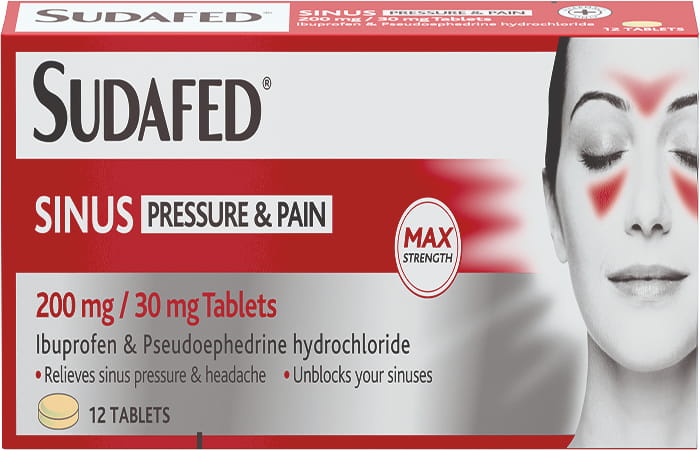
Sudafed® Sinus Pressure and Pain Tablets combine ibuprofen with pseudoephedrine hydrochloride to provide relief from sinus pressure and pain, says manufacturer Kenvue. The dual-action formuation is indicated for the symptomatic treatment of nasal congestion associated with head colds when accompanied by a headache and/or fever in adults and adolescents aged 15 years and over, adds the company. The combined use of ibuprofen and pseudoephedrine hydrochloride reduces pain, inflammation and fever while reducing nasal congestion, Kenvue explains.
Legal category: P. Further information is available from McNeil Products Ltd, 1 Station Hill Square, Station Hill, Reading, RG1 1LN. Information about this product, including adverse reactions, precautions, contra-indications, and method of use can be found here.

Share:


In OTC