Treatment options
Treatment options
Minor sports injuries should be treated with the PRICE technique for
48 hours after the injury:
- Protect the area from further injury, perhaps by immobilising it (e.g. by using a sling for a sprained wrist)
- Rest by cutting out exercise and minimising daily activities that involve the affected area (e.g. not walking with an injured knee). Supportive measures such as crutches may be helpful
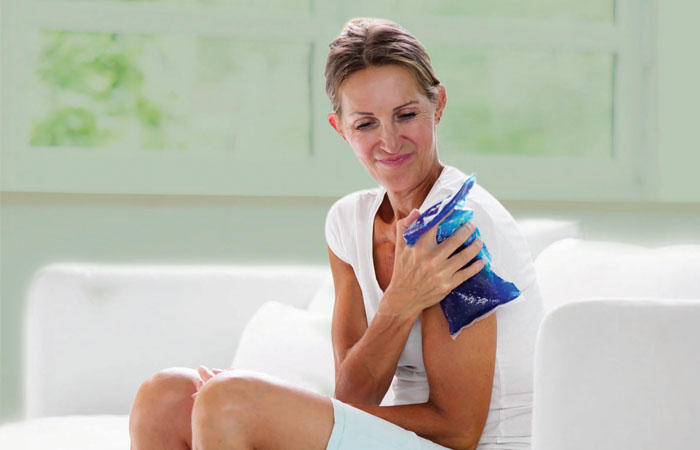
- Ice the area for 15-20 minutes every two to three hours. Advise customers to avoid ice burns by wrapping ice packs in a cloth so they don’t touch the skin directly
- Compress the area with bandages to limit swelling and prevent further damage. Tubular bandages can be used, but customers should take care not to apply the bandage so tightly that it restricts blood circulation; these should also be removed before sleep
- Elevate the injured area above the level of the heart if possible, to reduce blood flow and minimise swelling.
Following these steps for a couple of days is usually enough to resolve most minor injuries, but depending on the injury, it can take a few months or more to make a full recovery.
Topical OTC products
Non-steroidal anti-inflammatory drugs (NSAIDs) such as ibuprofen (e.g. Ibuleve) and diclofenac (e.g. Voltarol Max Strength Pain Relief Gel) reduce swelling and inflammation as well as pain.
They work in the same way as oral NSAIDs, but their effect is concentrated locally at the site of pain, with limited systemic effect.
Cold treatments (e.g. Deep Freeze) cause numbing and narrowing of the blood vessels, which makes it more difficult for inflammatory chemicals to reach the injured area, thus reducing pain and inflammation.
Rubefacients, sometimes known as counter-irritants, cause a feeling of warmth when they are rubbed into the skin, distracting the brain from the pain.
They can cause discomfort if they are applied after a hot bath or shower, during warm weather or to skin that is already irritated or broken. OTC product examples include Movelat Relief, Deep Heat, and Tiger Balm Red.
Heat therapy products such as pads and patches can help to dilate the blood vessels, increasing blood circulation to the affected area and moving away the chemicals that contribute towards the pain.
They should not be used until 72 hours after an injury as they can increase the risk of bleeding, and they should not be applied to broken skin. OTC examples include Deep Heat Pain Relief Heat Patch.
Herbal and homeopathic products may help to minimise bruising, and some claim to ease pain and stiffness with ingredients such as arnica. Examples include Traumeel Ointment and Weleda’s Arnica Massage Balm Cutaneous (Skin) Oil.