


 1 Min
1 Min In News

Follow this topic

Bookmark

Record learning outcomes
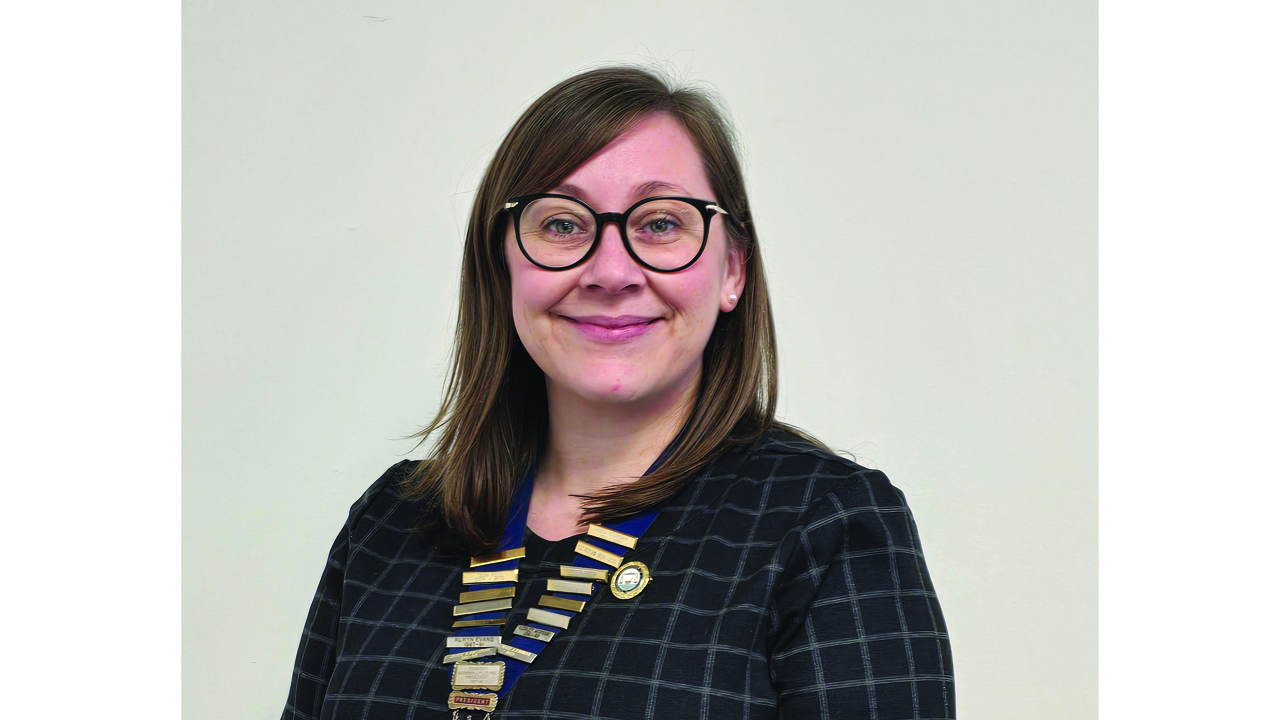
After seven years of service to the Association of Pharmacy Technicians UK (APTUK), Amy Laflin was appointed president on 7 November 2025. Prior to this, she had been serving as the interim president and vice president.
We spoke to Amy to catch up on her feelings about becoming the leader of the organisation, her ambitions for the role, the challenges APTUK and the profession are currently facing and what the future may look like in the next few years and beyond.
Continued service
“I joined the APTUK team back in 2018. I absolutely love volunteering, I love supporting the profession and being a part of APTUK, and the team are incredible. So, I haven’t left,” says Amy, noting how this journey has seen her work through various positions up until now.
“My values absolutely remain the same. The passion for the pharmacy technician profession, the progression of it and the recognition for our members is what drives me.”
When asked if she saw herself ever becoming president, Amy says it wasn’t something she stepped out to do, but she credits her growth and appointment to being surrounded by wonderful role models, like previous APTUK presidents Liz Fidler and Nicola Stockmann.
“To be able to work alongside such an amazing amount of pharmacy technicians as part of the team, it was exceptional. So, no, it’s not anywhere I ever expected to be, but I am delighted.”
On ambition
So, what does Amy Laflin-led APTUK have in store for the pharmacy technician profession?
“I am truly excited about the opportunity,” says Amy. “I think that firstly, it’s going to be about being connected more deeply with our members to be able to champion what we already do, but also to champion continued learning and development for every pharmacy technician.”
Amy sees additional webinars and extended offerings for members as being crucial for strengthening pharmacy technicians’ confidence as they take on more responsibility.
“Together, we’ll be able to strengthen that collaboration with our stakeholders, other professional leadership bodies and specialist pharmacy groups,” she says.
“I’m really excited about being able to support that process, and not just for the Royal College kind of collaboration, but for the pharmacy profession and being able to support pharmacy technicians to feel valued within their roles.”
Looking ahead, longevity is extremely important to Amy. She believes this starts with solid foundations and a unified profession that feels supported and seen.
“It’s not just about today – it’s about the future of what pharmacy technicians do, who we are, what our value is, and [I want to] support them to stand proud, feel empowered and feel influential,” she says.
“It’s not just about today – it’s about the future of what pharmacy technicians do, who we are, what our value is”
A pivotal moment
Empowering pharmacy technicians will be increasingly important as time moves on, bearing in mind the challenges the profession is facing.
“Our profession stands at a pivotal moment. Pharmacy technicians are taking on expanded responsibilities, from clinical services to patient group directions. But with that progress comes the need for robust training and clear role definitions,” says Amy.
“We also face a workforce shortage, and there is data across pharmacy showing rising burnout, particularly in community settings, where the pressures are feeling the greatest at the moment with the introduction of Pharmacy First.
“Again, we have supervision changes coming and we’re waiting for that to be finalised, but we want to make sure pharmacy technicians feel supported.”
Ensuring that there are frameworks and post-registration opportunities available to support the many colleagues who form a part of pharmacy’s “legacy workforce” is also extremely important to Amy.
“APTUK is committed to addressing those challenges head on, to advocate for recognition, invest in education and build partnerships that strengthen our collective voice,” says Amy. “It’s about shaping a future where the profession feels empowered, respected and is sustainable.”
Building longevity
Amy’s determination in overcoming these challenges is steadfast, but she knows that overcoming some obstacles is a long-term goal.
“Some of the projects are a little bit longer in time scale, and they may not be fully achieved, but it’s really important that the work is started and that there’s a clear trajectory in their timeline. To know that the team and I have not only laid the foundations for these ambitions but created momentum that will carry forward beyond my tenure would be incredibly rewarding,” says Amy.
“Success for me is not measured solely by ticking off every item on a wish list, but by ensuring that the profession is stronger, more visible and better supported than when we started. And if we can demonstrate progress, clarity of direction and commitment to sustainability, then I feel that we’ll truly have made a difference.”

Share:


In News