


 3 Min
3 Min In Analysis

Follow this topic

Bookmark

Record learning outcomes
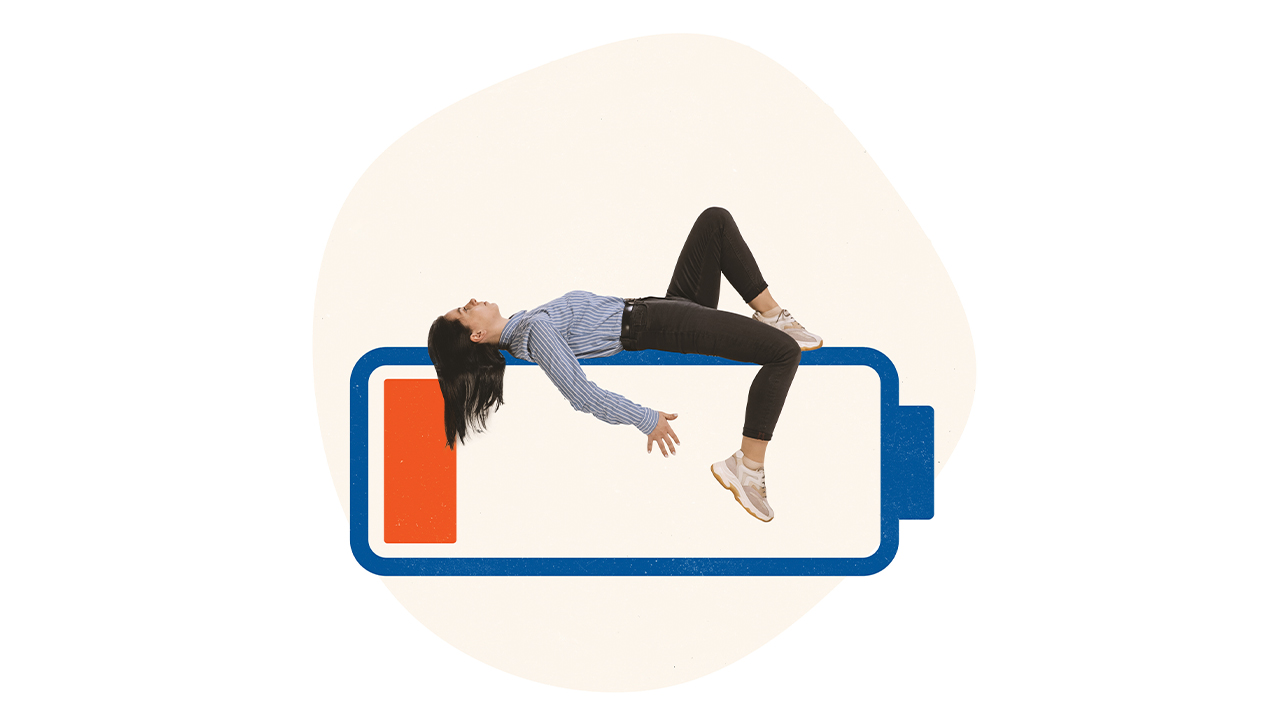
“We all sleep, but rest, on the other hand, could be thought of as more of a wellness framework than being in bed asleep,” says Adrian Zacher, sleep scientist and author of the free AwakeCheck.co.uk online sleep health check.
Indeed, Eric Zhou, an associate professor in the Division of Sleep Medicine at Harvard Medical School, breaks down a whopping seven different types of rest:
- Physical rest
- Mental rest
- Spiritual rest
- Sensory rest
- Creative rest
- Emotional rest
- Social rest.
Connected rest
So why might we need these different types of rest? “Our body is made up of several interconnected body systems,” explains Reshma Malde, pharmacist at John Bell & Croyden in London.
“Our musculoskeletal system needs physical recovery. Our brain attention and executive function networks need mental recovery. Sensory processing systems need periods of reduced stimulation, and our stress-response systems involving cortisol and the autonomic nervous system need emotional recovery. Then we have the social and reward networks in the brain, which benefit from positive human connection. And there’s also our motivational and meaning-making systems, which benefit from purpose and reflection.
“We may need different types of rest because different body and brain systems are affected by different kinds of demands,” says Reshma. “While sleep is essential for physical recovery, modern life places demands on our cognitive, emotional, social and sensory systems as well. As a result, someone may still feel tired or depleted despite getting enough hours of sleep because the source of their fatigue is not purely physical.”
What’s the difference between rest and sleep?
While sleep is an essential biological process, the concept of rest is much broader, which is why recognising the difference can be useful when speaking to customers.
“You can have had enough hours in bed but still feel mentally or emotionally drained,” says Elizabeth Hughes-Gapper, Kalms senior product manager. “It can be helpful to think about sleep and rest as complementary rather than interchangeable. For example, someone who feels tired or unable to switch off may need different support from someone experiencing disrupted sleep. Asking about how they’re feeling, their sleep and whether stress or anxiety could be playing a part can help establish what might be most appropriate. From there, pharmacy teams can recommend different approaches, depending on the individual.
“Ultimately, feeling rested isn’t simply about spending more time in bed. It’s about recognising whether your mind and body need sleep, a break from stimulation or some time to properly switch off.”
Unsurprisingly, this means different forms of rest can help restore different aspects of wellbeing.
“Physical rest helps the body recover,” says Reshma. “Sleep supports tissue repair, hormone regulation, immune function and energy restoration, but things like a gentle walk, stretching session or yoga class can help relieve muscle tension, improve circulation and leave you feeling more refreshed.”
When it comes to mental rest, Reshma says this helps restore focus and concentration. “The brain uses significant energy during concentration, decision-making and problem-solving, and continuous cognitive stress can lead to reduced attention, memory and mental performance,” she explains. “Taking breaks can help restore cognitive capacity – even 10 minutes away from screens and interruptions to sit quietly, practise mindful breathing or take a short walk can help provide mental rest. Writing down a to-do list before bed or spending a few minutes sitting in a quiet outdoor space with no agenda can all help.”
Spiritual rest is what reconnects us with meaning and purpose. “We need a sense of meaning, purpose, values or connection to something larger than oneself, so taking a moment to reflect on the difference you are making to yourself and those around you can help reconnect yourself with a sense of purpose and fulfilment,” says Reshma. “You might decide to spend time in nature, as well as prayer, attending a place of worship, meditation or any reflective practice that aligns with your own personal beliefs and values.”
Sensory rest is next on the list. “Our current environment exposes us to continuous stimulation from screens, notifications, noise and artificial light,” says Reshma. “Excessive and constant sensory input can contribute to mental fatigue, irritability and difficulty concentrating, so taking time out and introducing periods of reduced stimulation away from devices and screens allows the nervous system to recover.”
Creative rest is also important to restore inspiration and perspective. “Creativity needs attention, imagination and cognitive flexibility,” according to Reshma. “Taking a walk in a park, visiting an art gallery, listening to music, gardening or simply noticing the natural environment around you can help revive cognitive processes and improve problem-solving capacity.”
Emotional rest is a cornerstone of supporting resilience to stress. “We are exposed to constant emotional demands and these activate stress, involving the sympathetic nervous system and stress hormones such as cortisol, so things like talking through experiences or journaling can help,” says Reshma.
Finally, there’s social rest, which helps replenish energy through supportive relationships. “Social interactions can either replenish or drain our psychological resources,” says Reshma. “Supportive relationships lower stress levels and offer better wellbeing, whilst demanding social interactions can increase mental fatigue, so setting boundaries and taking time for yourself without feeling guilty is important. Recognising each aspect of ourselves and noticing when we feel depleted can help us choose restorative activities that are most likely to improve our overall wellbeing.”
“Emotional rest is a cornerstone of supporting resilience to stress”
Signs of fatigue
With so many different options of rest to consider, how can we tell when a certain type of rest is needed?
“Feeling tired doesn’t always mean we simply need more sleep,” says Elizabeth Hughes-Gapper, senior product manager for Kalms. “We can feel depleted in different ways, and the signs can often
tell us what kind of break we need.
“For example, mental fatigue might show up as difficulty concentrating, forgetfulness or feeling like your mind is constantly ‘on’, while irritability or feeling overwhelmed by noise, screens and notifications could signal a need for some sensory downtime.
“Feeling rested isn’t simply about spending more time in bed”
Equally, if conversations or supporting others starts to feel draining, this may signal a need for social or emotional rest. Creating some space for yourself can help give you the time to recharge.”
Another challenge is that many of us simply don’t make enough time for rest. “Our own research found that more than half of UK adults (56 per cent) often feel too busy to spare even five minutes for their emotional wellbeing,” says Elizabeth. “But rest doesn’t have to mean doing nothing: walking without your phone, reading, listening to music, spending time outside or simply stepping away from everyday demands can all give the mind an opportunity to switch off and recharge.”
Melatonin: what is it, and is it useful?
Community pharmacy is often the first port of call for customers with sleep problems looking for an over-the-counter solution, but many products on the market “sit in a regulatory or evidential grey zone,” says sleep scientist Adrian Zacher.
Melatonin is something that pharmacy customers may have questions about, so it’s important to have the facts to hand.
Melatonin is a natural hormone produced by the pineal gland in the brain that helps control sleep cycles by acting on receptors in the body to encourage sleep. The body produces its own melatonin naturally just after it gets dark, peaking in the early hours of the morning and reducing during daylight hours. Taking melatonin tablets – with brand names including Circadin, Adaflex, Ceyesto, Slenyto, Syncrodin – adds to the body’s natural supply of the hormone.
In some countries, melatonin supplements are available to buy in health food shops or online in capsule, tablet or liquid form. However, these are not authorised for sale in the UK, where melatonin is a prescription-only medicine, usually recommended for short-term sleep problems, and even then, only “for specific indications”, says Adrian.
NHS advice is that short-term insomnia patients will usually be prescribed melatonin for one to four weeks, although for some types of insomnia, specialists may prescribe melatonin as a long-term treatment. Adrian’s advice for pharmacy team members asked about melatonin for sleep is to try to find out why your customer is asking and then escalate for a proper sleep assessment.
For more information on melatonin, visit: nhs.uk/medicines/melatonin/common-questions-about-melatonin
Signposting and support
“Community pharmacy teams are often the first people someone may speak with about their sleep concerns,” says Adrian. “It’s important that the advice they provide is evidence-based and sufficiently nuanced for the individual and not just following the latest social-media driven fad or pharmaceutical company pitch – think mouth-taping or sedating antihistamines.”
Thankfully, there are plenty of useful resources that pharmacy staff can signpost customers to if they want to understand how to sleep and rest better.
Adrian’s own AwakeCheck.co.uk test can help customers check their risk of insomnia and sleep apnoea in just five minutes – scan the QR code below to visit the website. The Sleep Charity (thesleepcharity.org.uk) has information on a good night’s sleep and promotes understanding around the complexities of sleep.
There are other charities, support groups and online forums for people who might be struggling to sleep or rest due to anxiety, including Anxiety UK, Mind and Young Minds.
Thanks to their trusted relationships with their customers, pharmacy teams once again hold the key to helping people unlock the causes of their sleep and rest problems and explore all the options that may help.

Share:


In Analysis