


 1 Min
1 Min In OTC

Follow this topic

Bookmark

Record learning outcomes
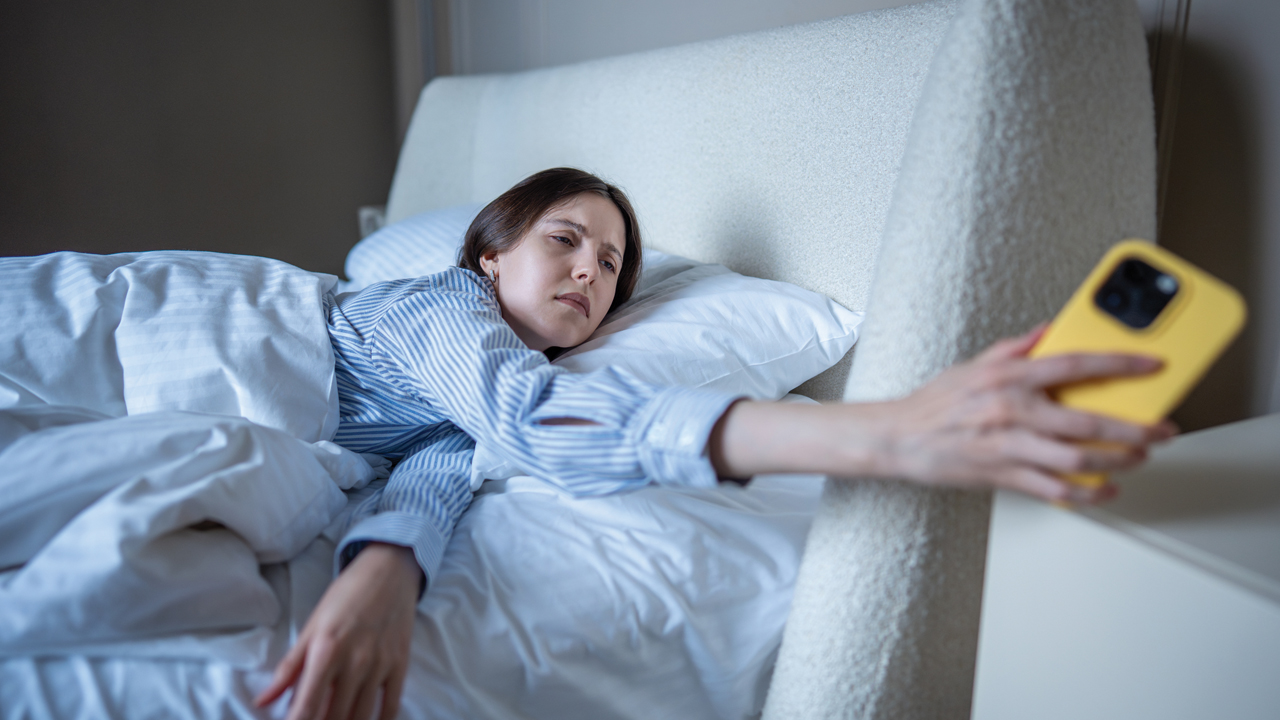
The average UK adult only gets three days a week of good quality sleep, according to a recent survey of 2,000 people carried out by Opinium on behalf of the Mental Health Foundation. Yet despite the prevalence of poor sleep across the UK, 38 per cent of adults have never taken any action to improve their sleep, creating an opportunity for community pharmacy teams to step forward and offer support and advice. But firstly, you need to know the difference between sleep problems and insomnia.
The difference is distinct
“Snoring, restless legs, shift work, sleep disorder, sleep apnoea, even poor sleep hygiene all create sleep problems,” says Adrian Zacher, CEO of the British Society of Pharmacy Sleep Services.
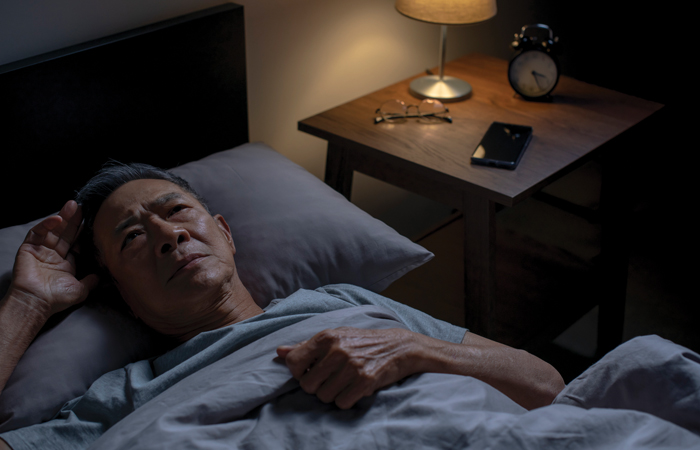
“But insomnia is more specific: it’s a persistent difficulty falling asleep, staying asleep, or waking too early, despite having adequate opportunity to sleep. Crucially, it must cause daytime impairment such as fatigue, mood disturbance, concentration issues. Insomnia is a disorder; poor sleep from staying up doom-scrolling isn’t.”
The distinction matters clinically. “Someone with insomnia may need cognitive behavioural therapy (CBT-I) or temporary medication, whereas someone with undiagnosed sleep apnoea presenting as ‘insomnia’ needs a sleep study, not a bottle of antihistamines,” explains Adrian. “Pharmacy staff who understand this difference can save lives – literally.”
“Sleep disorders aren’t a niche concern, they’re a public health crisis”
Health effects
Unsurprisingly, there’s a close relationship between sleep and health. Poor sleep can have a negative impact on mental health. Mind, a mental health charity, warns that having problems sleeping can make mental health worse, or cause other problems that impact mental health.
For example, Mind says people experiencing sleep issues might:
- Be more likely to feel anxious or depressed
- Feel lonely or isolated
- Struggle to concentrate, or make plans and decisions
- Feel irritable or not have energy to do things
- Have problems with day-to-day life at work or with family and friends.
Living with a mental health problem can also affect how well people sleep. For example, the Mental Health Foundation (MHF) says poor sleep and anxiety are commonly connected because racing thoughts and stress can make it harder to fall and stay asleep.
The sleep and depression link can cause insomnia (too little sleep) or hypersomnia (too much sleep), disrupting circadian rhythms.
People living with post-traumatic stress disorder (PTSD) can experience nightmares or night terrors, which can lead to repeated night wakings and anxiety about going to bed. Periods of bipolar disorder often reduce the ability to sleep or could cause people to skip sleep entirely.
Poor sleep can also impact physical health. “A few nights of sleep deprivation causes fatigue, irritability and impaired concentration, which is unpleasant but reversible”, says Adrian, “but chronic insomnia or untreated sleep disorders raise the stakes dramatically, putting people at increased risk of cardiovascular disease (hypertension, stroke, heart attack), metabolic dysfunction (type 2 diabetes, obesity), cognitive decline and dementia risk, and workplace accidents and motor vehicle crashes”.
OTC treatments
There have long been a whole host of over-the-counter (OTC) treatment options that pharmacy staff can advise customers about to help with sleep problems, but Adrian warns:
“Most OTC sleep aids are Band-Aids, not solutions. First-generation sedating antihistamines (diphenhydramine, promethazine, etc.,) cause tolerance, next-day grogginess, increase the risk of falls in the elderly and don’t address root causes. In fact, NICE guidelines explicitly say: ‘Do not recommend over-the-counter treatments for insomnia’.”
When it comes to herbal remedies such as valerian, Adrian says evidence is “weak at best” – although some people swear by magnesium supplements to help with sleep.
“Magnesium plays a vital role in hundreds of biochemical processes in the body, including those that support muscle relaxation and nervous system balance,” says Nicola Sainty, nutrition manager at Revive Active supplements, but she warns that not all magnesium supplements are created equal.
Some forms, such as magnesium oxide, are poorly absorbed and more likely to cause digestive discomfort or loose stools. In contrast, more bioavailable forms such as magnesium bisglycinate, magnesium citrate and magnesium malate are gentler on the stomach and more effectively utilised by the body.”
And while magnesium is generally safe for most adults, Nicola says there are a few considerations: “Magnesium is not recommended for those under 12, and pregnant or breastfeeding women, people with kidney disease, and people with diabetes should seek medical advice when considering magnesium supplements.”
Adrian says the best OTC intervention isn’t a product, it’s a conversation.
“Pharmacy staff should, screen, don’t sell,” he says. “Reserve OTC products for appropriate cases – short-term sleep disruption due to stress, travel, or shift work – not as chronic solutions. And refer, don’t rescue. If someone’s been self-medicating with antihistamines for months they need medical evaluation, not another bottle.”
Pharmacy advice for other sleep conditions
- Sleepwalking occurs during deep sleep, meaning people often don’t remember doing it. While usually harmless, sleepwalking can be linked to stress, alcohol, or sleep deprivation. Maintaining good sleep hygiene through the HEAL framework may help (see further down)
- Night terrors are different from nightmares. They also occur during deep sleep and are rarely remembered. They may cause intense fear, sweating or screaming. In adults, they are sometimes linked to trauma. Therapy may help if night terrors interfere with daily life
- Snoring affects around 40 per cent of adults in the UK. Sleeping on your side, reducing alcohol, exercising regularly and addressing weight concerns can reduce snoring
- Restless leg syndrome is the irresistible urge to move legs. It can be primary (idiopathic) or secondary (iron deficiency, pregnancy, medications). It is worsened by caffeine and antihistamines. Sufferers should be referred to their GP as it is treatable
- Obstructive sleep apnoea is repeated airway collapse during sleep, causing pauses in breathing lasting up to 30 seconds. Unlike snoring, it requires medical treatment to prevent oxygen loss, and if left untreated can lead to hypertension, stroke, heart disease or sudden death. Continuous positive airway pressure (CPAP) devices are a common therapy.
Lifestyle and self care advice
The MHF says there are four pillars of good sleep which pharmacy teams can talk through with customers, which can be remembered using the acronym HEAL.
- H = health. Physical health plays a major role in sleep. Chronic pain, long-term illness and certain medications can disrupt rest. Mental health can also have a significant impact
- E = environment. People’s access to the right kind of sleep environment can vary greatly due to a range of personal and social circumstances. Ideally, a cool, dark, and quiet bedroom supports quality sleep, but it’s not always possible to achieve these conditions if you don’t have stable housing or are sharing your space. Tools like a fan, an eye mask, or earplugs can help mimic these conditions. Limiting screen time before bed can also be beneficial, as blue light has been shown to disrupt melatonin production
- A = attitude. Mindset and stress management play a role in sleep. Worrying in bed, especially before an important day, can make falling asleep harder. Relaxation techniques, mindfulness or even briefly getting up for a caffeine-free warm drink can help reset your mind. If sleep problems persist for more than a month, cognitive behavioural therapy (CBT) may be recommended to help break the cycle of stress and poor sleep
- L = lifestyle. Movement during the day, eating a balanced diet, moderating alcohol and caffeine and keeping a regular sleep schedule can all increase sleep quality. Certain foods like rice, oats and dairy products can promote sleepiness, while caffeine, sugar and alcohol may interfere with both falling asleep and staying asleep. Regular exercise helps reduce stress and anxiety, but it’s best done earlier in the day since evening workouts can make it harder to wind down.
Signposting, sleep aids and apps
It’s also important to remember that if someone’s already doing these things and still struggling, they need assessment, not more advice.
Adrian created the free, five-minute AwakeCheck (awakecheck.co.uk) – an evidence-based sleep disorder screener. It is designed to empower frontline healthcare workers including pharmacy staff to identify red flags of loud snoring with witnessed breathing pauses (apnoea), excessive daytime sleepiness or insomnia with medical comorbidities.
This, he suggests, should be pharmacy staff’s “first-line signposting tool”, but he also recommends the NHS-approved Sleepio CBT-I app – which he says is the “gold standard for insomnia treatment” – and the free alternative from sleepful.org.uk in regions where Sleepio is not available.
When it comes to sleep tracking apps, Adrian says these are “helpful for awareness, but don’t over-rely on them for accuracy”. He also advises “avoiding ‘smart rings’ and fitness trackers that claim to diagnose sleep disorders because they don’t – they’re consumer gadgets, not medical devices”.
With all this information to hand, community pharmacy staff have an great opportunity – and responsibility – in sleep health.
“You’re accessible. You’re trusted. You’re often the first to hear ‘I’m so tired’ or ‘my partner says I stop breathing at night’,” says Adrian.
“Don’t let those moments pass with a sale and a smile. Pause. Ask. Screen. Refer when needed. Sleep disorders aren’t a niche concern, they’re a public health crisis hiding behind closed bedroom doors – and pharmacy teams are positioned to open those doors.”
“Modern life exposes us to continuous stressors from every direction”
Stress: the physical and mental implications
Stress comes in many forms, from physical (including injury, sleep deprivation and illness) to psychological stress – such as perceived threat and worry, and environmental such as noise and pollution.
Nutritionist from SISTERLY, Georgie Murphy, says that stress is a normal reaction as our body tries to adapt to the world around us, but the problems come when modern life exposes us to continuous stressors from every direction, placing a heavy burden on the body.
“Long-term exposure to stress can cause both physical and mental strain. As the body goes beyond the acute stress stage, it begins to adapt to elevated stress hormones flooding the body. Mental manifestations include depression, anxiety, worrying or perfectionism. Other symptoms to look out for are feeling ‘tired but wired’, difficulty falling asleep, being easily startled, and a general feeling of unease,” says Georgie.
“Physical manifestations include increased cravings and blood sugar and appetite dysregulation as our satiety hormones decrease and hunger hormones increase. With chronic stress the body shifts into fat storage, elevating the risk of weight gain and issues losing weight, along with increased muscle breakdown.
We know that chronic stress negatively affects nutrients levels as well as the gut. Research shows changes to the gut microbiome, impairments to the gut barrier and altered motility triggering symptoms such as bloating, diarrhoea, constipation.”
Anxiety
Community pharmacies can play a vital role in supporting customers experiencing stress or anxiety. “Pharmacy staff can offer practical lifestyle advice, such as discussing sleep patterns, diet and everyday habits, including enquiring about activity levels and sleep,” says Nicky Lidbetter, CEO of Anxiety UK.
“They may suggest reducing caffeine and sugar intake, both of which can exacerbate anxiety, as well as discussing ways to get sleep back on track and [balancing nutrition]. Pharmacy staff should also be informed about when and how to signpost or refer people facing more significant anxiety or stress to national and local mental health support services offering services such as talking therapies, support groups and self-management courses.”
Nicky says staff don't need to be mental health experts to make a positive impact: “Often, a friendly, understanding conversation and simple wellbeing guidance can make a big difference and be all that someone feeling stressed or anxious may require.”
Helping younger customers
Despite the accessibility of community pharmacy, with 25.8 per cent of young Brits experiencing mental health conditions, and suicide the leading cause of death for 15–29-year-olds in Western society, Neil Shah, chief insights officer at the Stress Management Society, says that many pharmacies still need to make significant changes to become “more welcoming and accessible” for younger demographics.
“Current pharmacy environments are not appealing or welcoming to younger people”, says Neil, “so if you want to engage them you need to meet them where they are digitally before bringing them into physical spaces. For example, your pharmacy could create WhatsApp chat services for initial contact, and develop active social media pages on platforms like Instagram and Twitter to deliver targeted messages that resonate with younger demographics. The overall message is to treat mental health as part of overall health, not a separate issue”.
- British Society of Pharmacy Sleep Services: AwakeCheck.co.uk free screening tool for insomnia and sleep apnoea
- Mind: mind.org.uk
- Anxiety UK: anxietyuk.org.uk
-
- 24/7 self-care info line number: 03444 775 774
- Factsheet on vitamins and minerals in the management of anxiety: anxietyuk.org.uk/herbal-alternative-medication/.
- Stress Management Society: stress.org.uk
- Mental Health Foundation: mentalhealth.org.uk
-
- Free downloadable publications: ‘How to Sleep Better’ and ‘How to Manage and Reduce Stress’

Share:


In OTC